


As a key infrastructure in today’s information-driven society, data centers are facing ever-growing demands for their lighting systems. Lighting design is no longer just about illuminating the space; it directly impacts operational efficiency and the safety of personnel. A well-planned lighting environment helps technicians work more effectively and safely, which in turn supports the stability and long-term sustainability of the data center. Data center lighting must balance several factors, including brightness levels, uniform light distribution, operational reliability, and energy efficiency. This article will explore these key aspects and discuss how optimized lighting solutions can help modern data centers run efficiently, safely, and sustainably.
What is a Data Center?
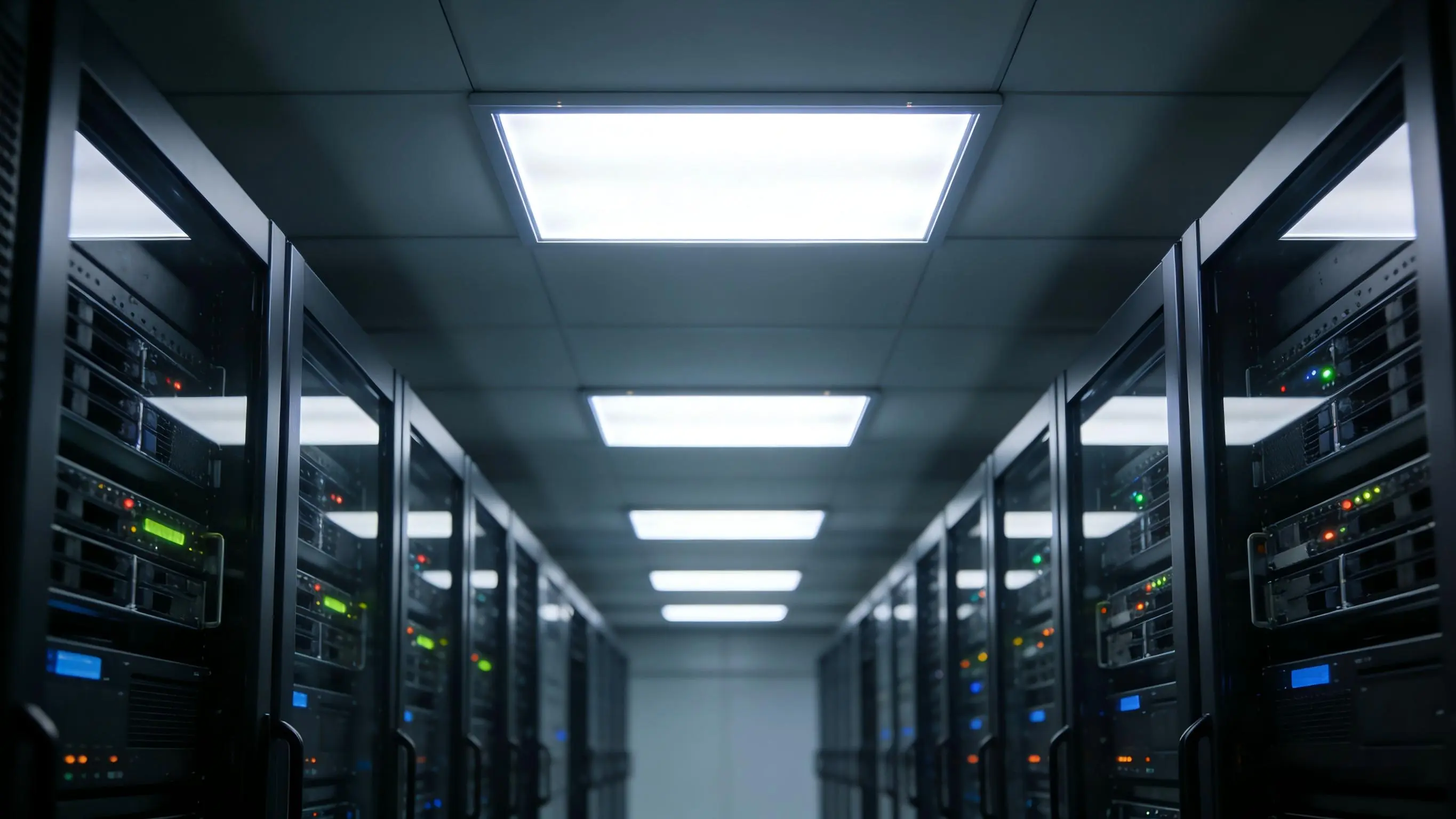
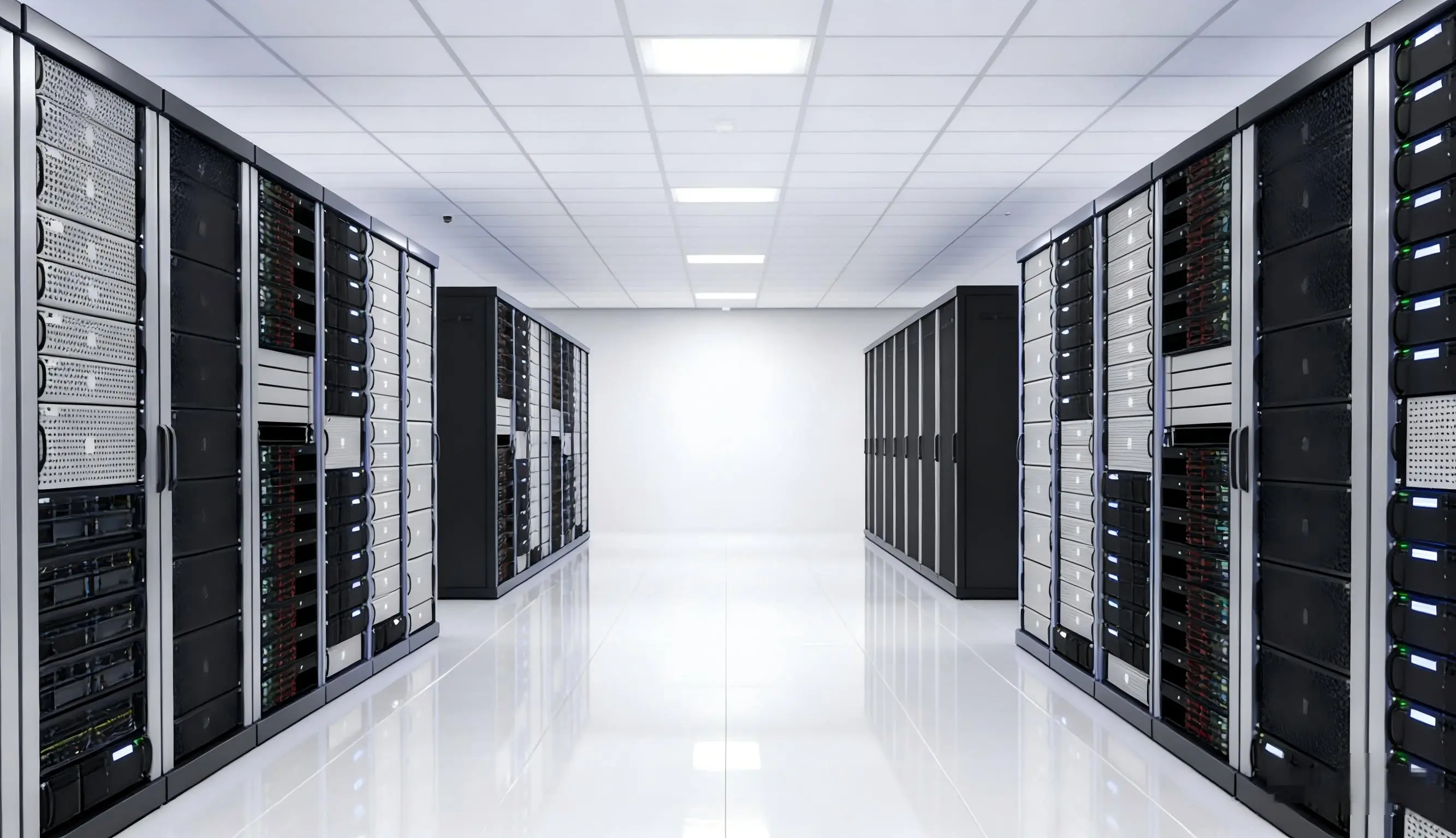
A data center is a physical facility that provides a controlled environment for the centralized deployment of electronic information equipment, enabling centralized storage, processing, and exchange of data through server clusters. As a critical infrastructure in the digital era, data centers offer reliable support for cloud computing, internet applications, and various enterprise information services, serving as a powerful foundation for the advancement of modern technology.
The Importance of Data Center Lighting
Lighting in a data center plays a critical role that goes far beyond simple illumination. Proper lighting ensures the safety of personnel working among dense racks of servers and network equipment, reducing the risk of accidents during maintenance or emergency operations. It also supports operational efficiency, allowing staff to quickly identify, inspect, and repair hardware issues without errors.
Moreover, well-designed lighting can minimize heat generation and energy consumption, contributing to the overall sustainability of the facility. In environments where precision and uptime are paramount, lighting directly affects both reliability and productivity. Therefore, investing in thoughtfully planned data center lighting is essential for operational safety, efficiency, and long-term performance.
Key Considerations for Data Center Lighting
When designing data center lighting, several key factors need careful attention. Proper lighting improves operational efficiency while ensuring safety and energy efficiency. The following points highlight the core considerations for creating an effective and reliable lighting environment in a data center.
- Visibility
Data center lighting must provide technicians with a clear and bright visual environment, ensuring that routine maintenance and management tasks can be performed safely and efficiently, while also allowing for safe evacuation in emergencies. Good visibility not only improves the work efficiency of IT and maintenance staff but also ensures their safe movement between dense server racks. It helps technicians quickly locate issues and complete repairs effectively, reducing the risk of failures and supporting the stable operation of the data center.
- Safety
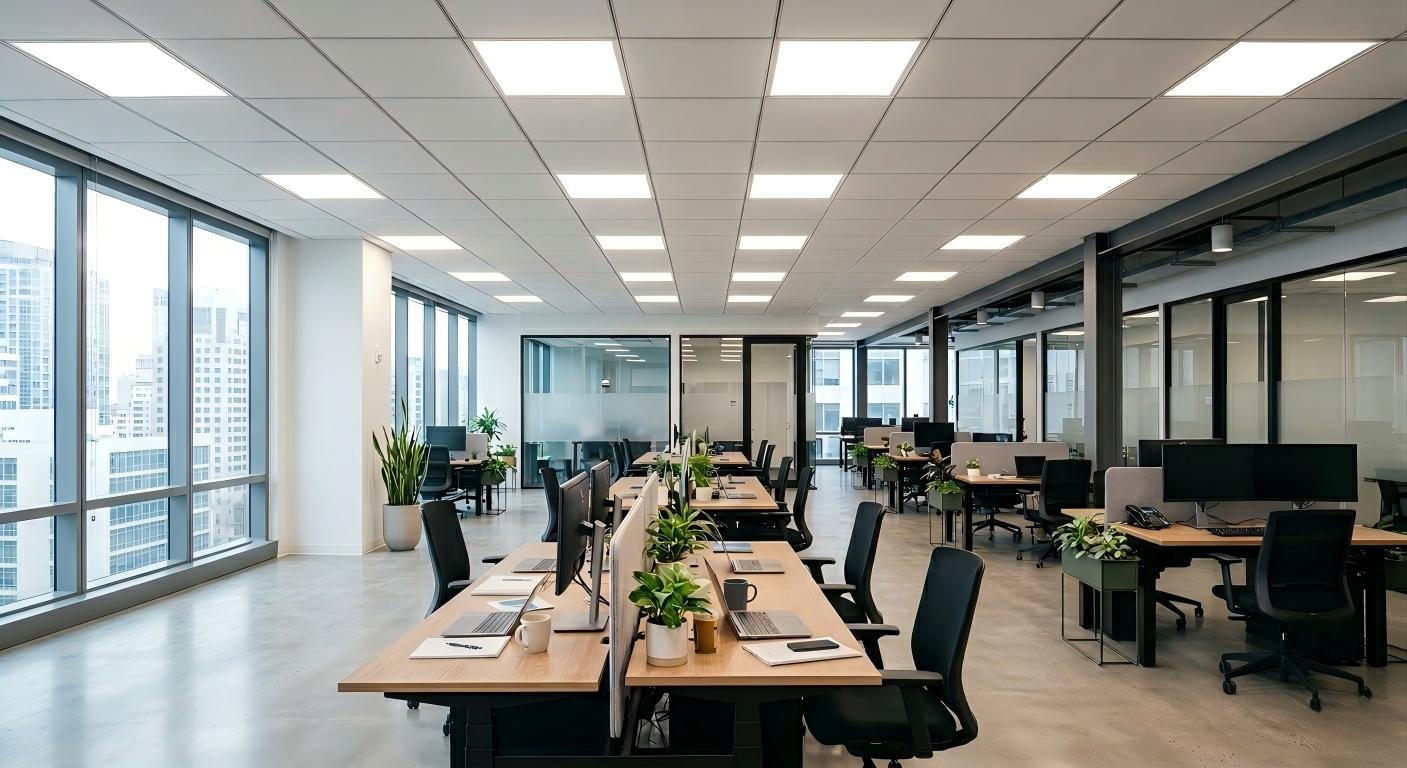
Safety is a core factor that cannot be overlooked in data center lighting design. Compared to traditional light sources, LED lighting offers advantages such as low voltage, low heat generation, and high stability, making it safer and more reliable overall. Using LED technologies such as Distributed Low Voltage Power (DLVP) and PoE lighting enables remote control and safer maintenance, reducing the risk of electric shock and falls. Equally important is proper lighting placement. Aligning lights with equipment aisles within a ceiling grid layout ensures that illumination directly covers open rack rows, minimizing shadows and improving overall visibility.
- Longevity
Data centers run continuously under heavy workloads, and some areas can get quite hot, which puts extra stress on lighting. Regular lights may dim faster or fail sooner in these conditions. That’s why it’s important to choose lights that can handle high temperatures, have a long lifespan, and come with certifications like UL. This ensures reliable performance in tough environments while cutting down on maintenance and replacement costs.
- Color
The color temperature of lighting has a direct impact on technicians’ comfort and focus. Lights that are too warm can feel dim and reduce alertness, while lights that are too cool may cause glare or eye strain. For data centers, a neutral to cool white light between 4000K and 5000K is recommended. This range provides bright, clear illumination that helps staff stay alert and focused, improving efficiency while creating a comfortable and easy-to-see working environment.
- Energy Efficiency
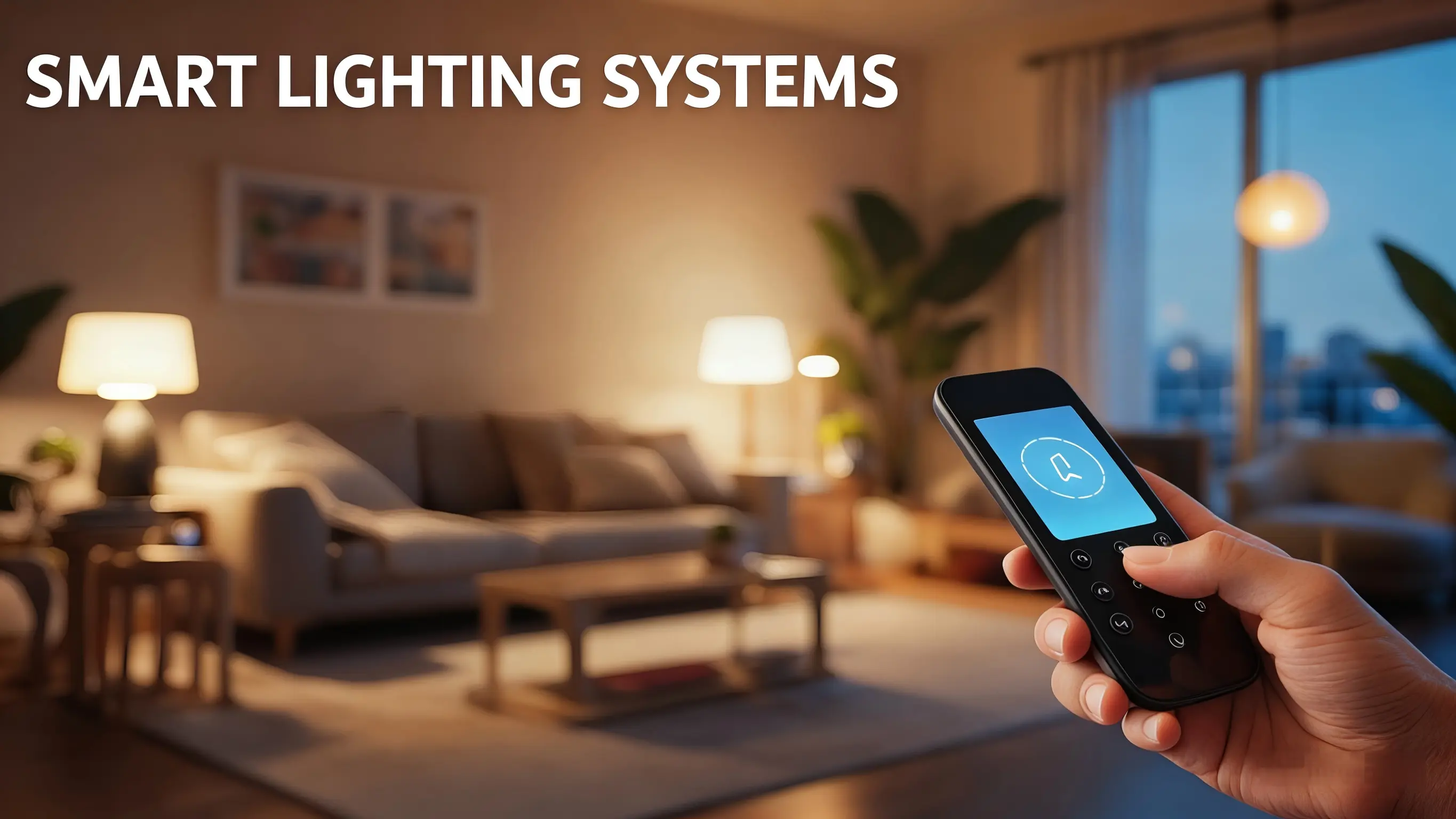
Lighting energy consumption has a direct impact on a data center’s overall operating costs and sustainability, making the choice of efficient, energy-saving fixtures essential. LED lights are the preferred option due to their long lifespan, low energy use, and high efficiency, providing stable, even illumination while reducing maintenance needs and costs. In energy-efficient server rooms, smart design, such as strategic fixture placement combined with motion sensors or zone dimming, can further cut unnecessary energy use while ensuring that critical areas remain well-lit at all times.
- Budget
Although the initial investment in LED lighting fixtures is slightly higher than traditional light sources, their high luminous efficacy and low energy consumption can significantly reduce long-term electricity costs, making them particularly suitable for data center environments operating 24/7. Combined with their extended lifespan and high stability, LED fixtures minimize labor and downtime costs associated with frequent replacements and maintenance.
LED Lighting: the Smart Choice for Data Centers
- High Energy Efficiency
LED lighting offers excellent power-to-light conversion efficiency. For the same level of brightness, it can reduce energy consumption by more than 80% compared to traditional light sources, significantly lowering overall energy use in data centers.
- Long Service Life
As a solid-state, cool light source, LEDs have no filaments or fragile components, making them highly stable. With a lifespan of 60,000–100,000 hours, LED fixtures greatly reduce replacement frequency and maintenance costs.
- Environmentally Friendly
LEDs contain no mercury or other harmful substances and emit no ultraviolet or infrared radiation. They produce minimal heat, are flicker-free, and can be recycled after disposal, aligning well with the goals of green and sustainable data centers.
- Flexible Applications
LED lighting supports a wide range of color temperatures and light output options and can be easily integrated with intelligent control systems. This flexibility allows lighting to be tailored to different areas, improving overall lighting management efficiency.
With advantages in energy efficiency, durability, and sustainability, LED lighting is steadily replacing traditional light sources and has become the preferred choice for modern data center lighting.
Choose the Right Data Center Lighting with UPSHINE
UPSHINE Lighting, as a leading provider of professional lighting solutions, offers a wide range of products tailored to the unique demands of data centers, delivering reliable, energy-efficient, and long-lasting illumination that ensures safety, visibility, and operational efficiency.
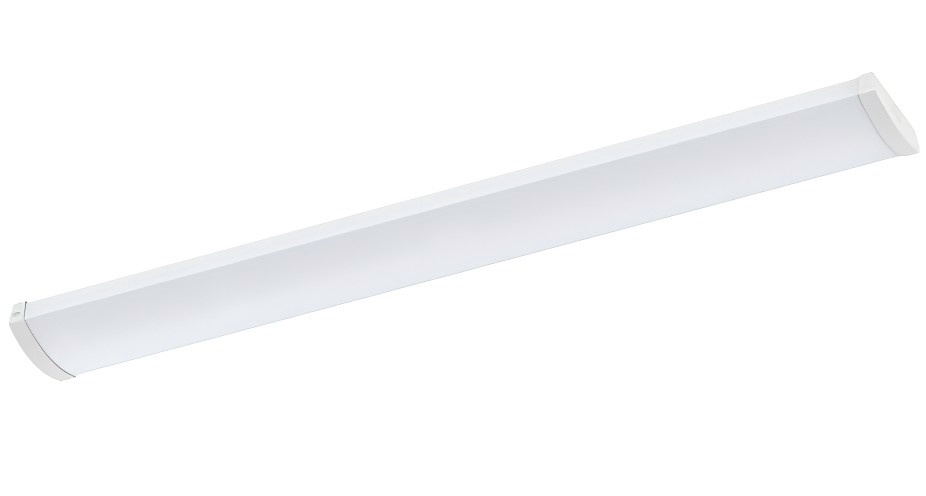
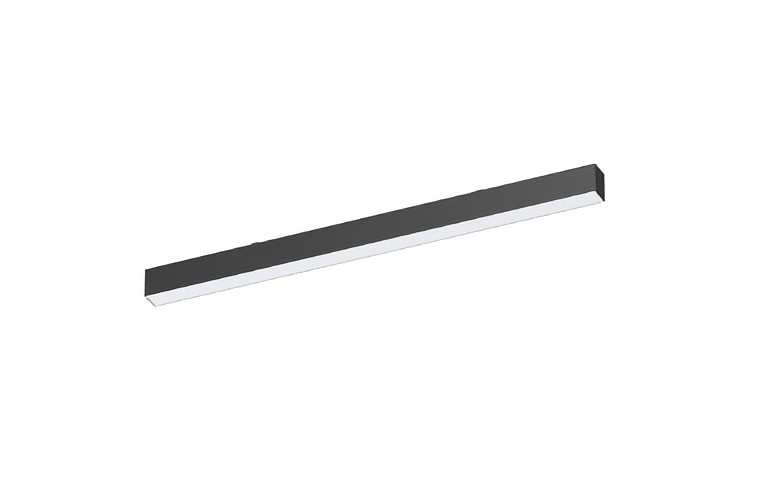
LED Batten Light LED Linear Light
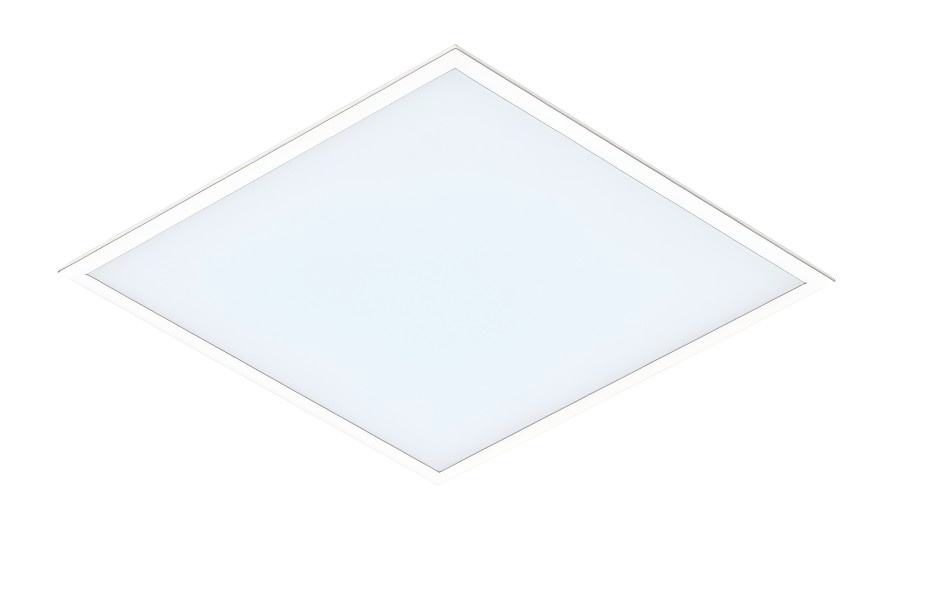
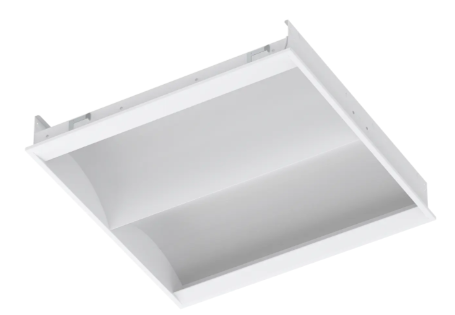
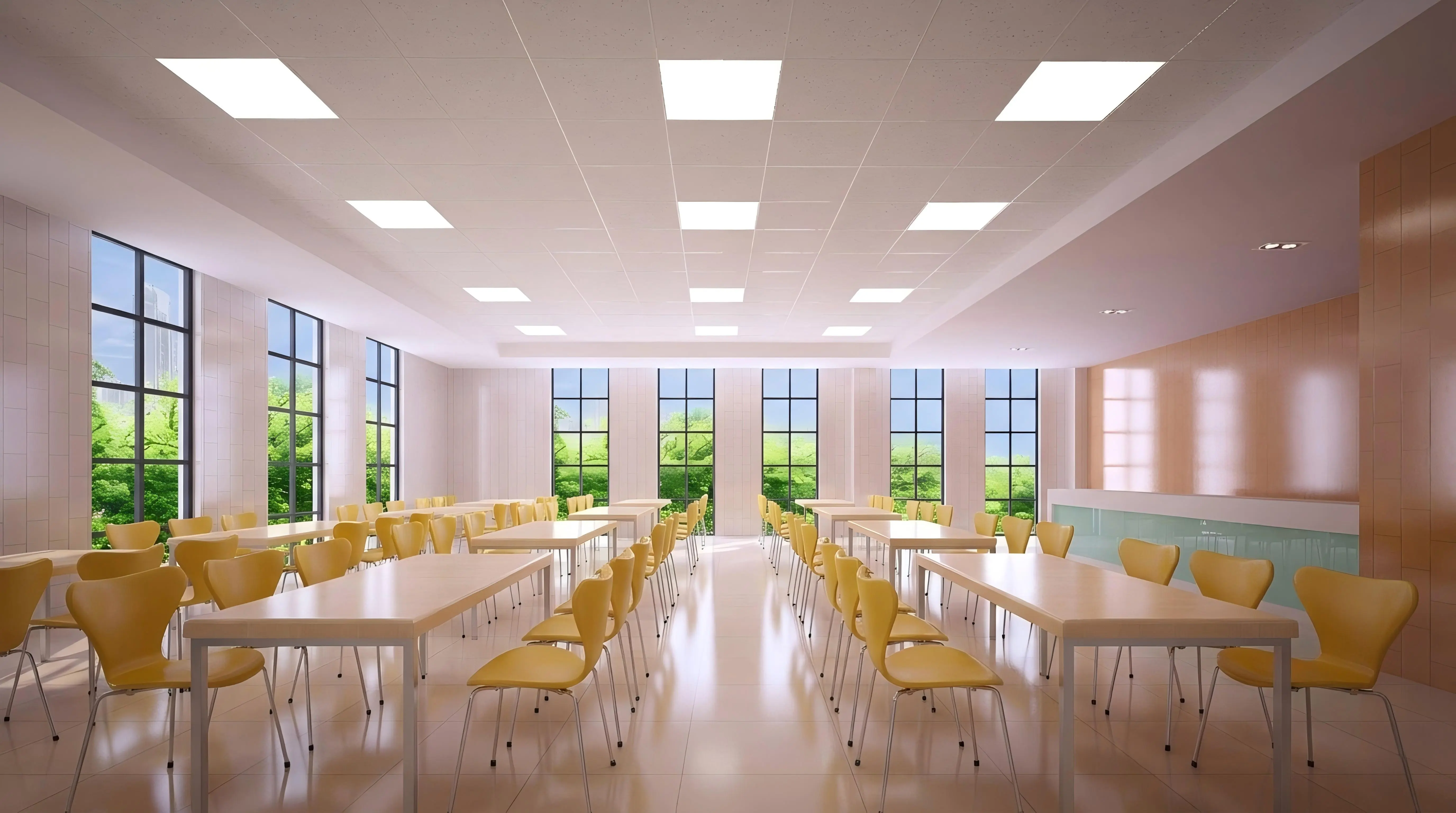
LED Panel Light LED Troffer light
Future Trends in Data Center Lighting
As data centers evolve, future lighting will focus increasingly on green and sustainable solutions. High-efficiency, energy-saving LED fixtures will become the standard, paired with smart control systems that enable automatic dimming, zone management, and remote monitoring to reduce energy consumption. Adjustable color temperatures and flexible lighting options will meet the needs of different areas, while eco-friendly materials and long-lasting fixtures help cut maintenance and resource waste. Overall, future data center lighting will center on efficiency, safety, intelligence, and sustainability, driving the shift toward greener, more sustainable operations.