


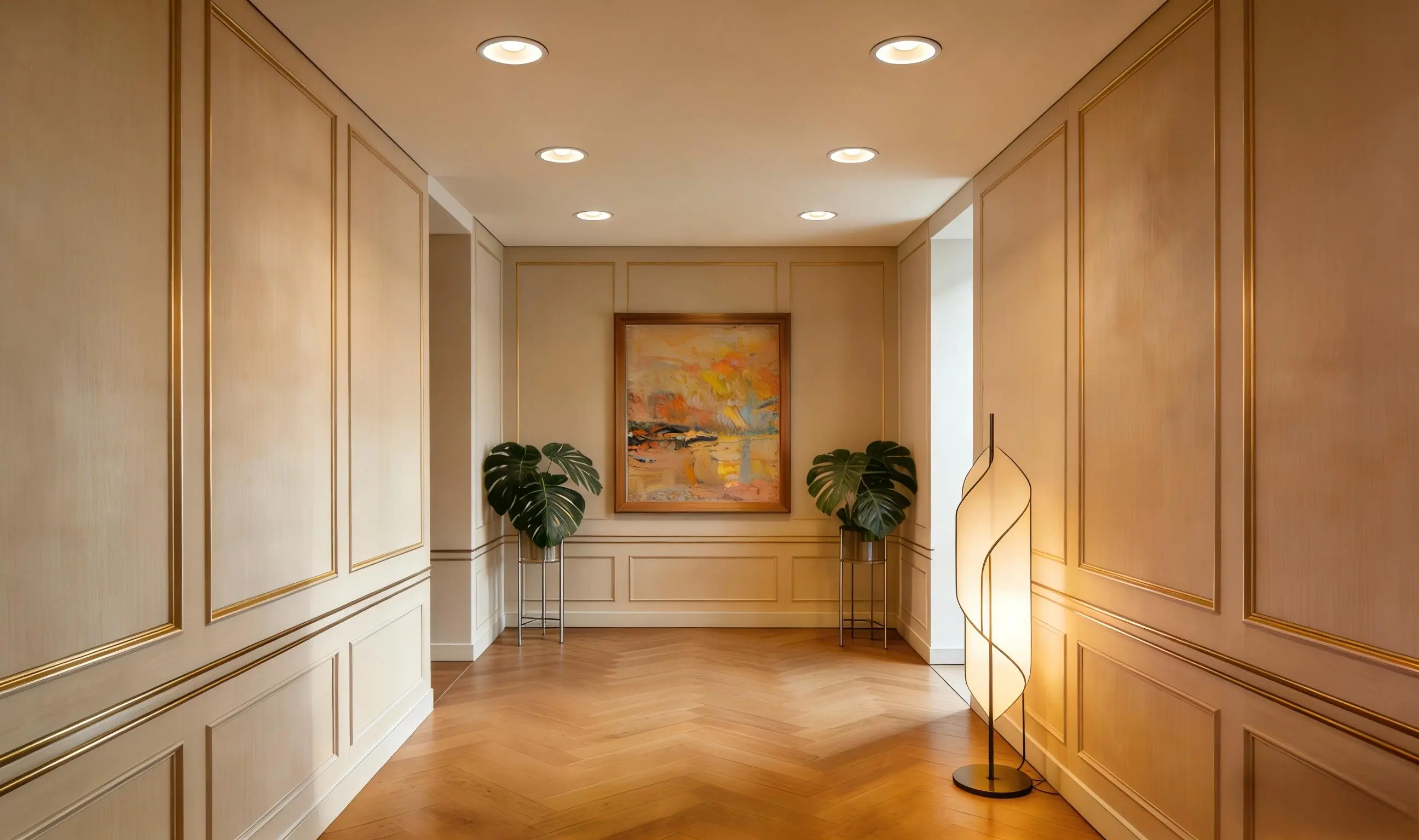
The hallway is often the most overlooked corner in any home, yet it’s the key link that connects all your warm daily moments. As most hallways lack windows and have limited natural light, a thoughtful lighting design is absolutely crucial. A clever lighting layout can fill every step you take with a cozy, welcoming ambiance. Today, we’ll figure out the proper lighting fixtures for your hallway space and learn how to create an elegant, refined hallway lighting design that truly brightens up your daily life.
Why Hallway Lighting Matters?
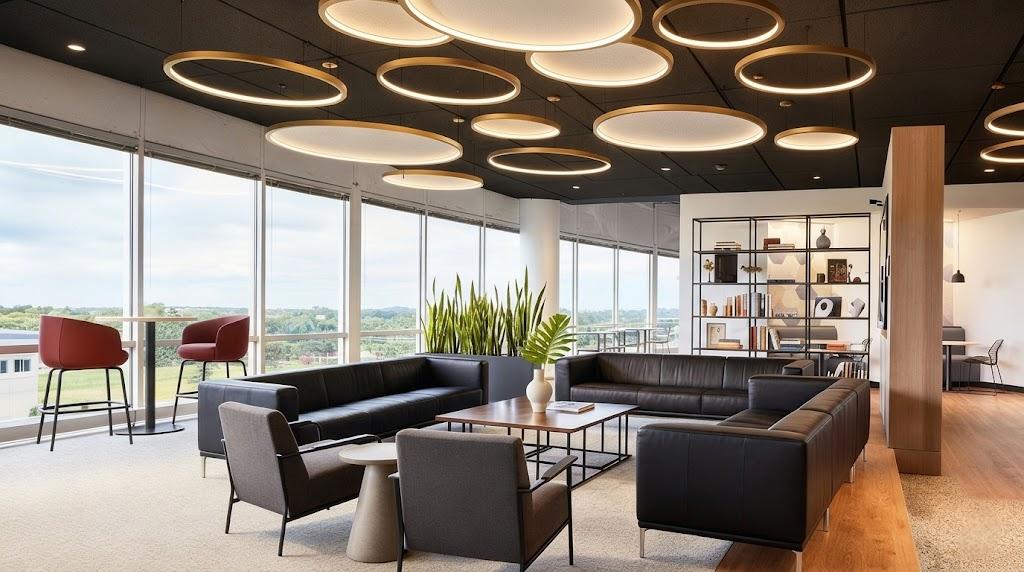
Hallway lighting is often overlooked, yet it plays a vital role in the overall design of a space. Well-designed hallway lighting provides clear and safe illumination for daily movement, reducing the risk of slips and collisions, and enhances spatial continuity and guides visual flow. With the right balance of brightness and colour temperature, hallways can feel more open, clean and inviting while seamlessly connecting to adjacent areas and elevating the overall living experience.
What Lighting Solutions are Suitable for Hallways?
It is essential to choose the right lighting for hallways, both for safety and for aesthetics. As hallways are transitional spaces, the lighting should be practical and comfortable, and visually consistent with the surrounding areas. Below are several lighting solutions commonly used in hallway applications, each with its own advantages.
- Recessed Downlights
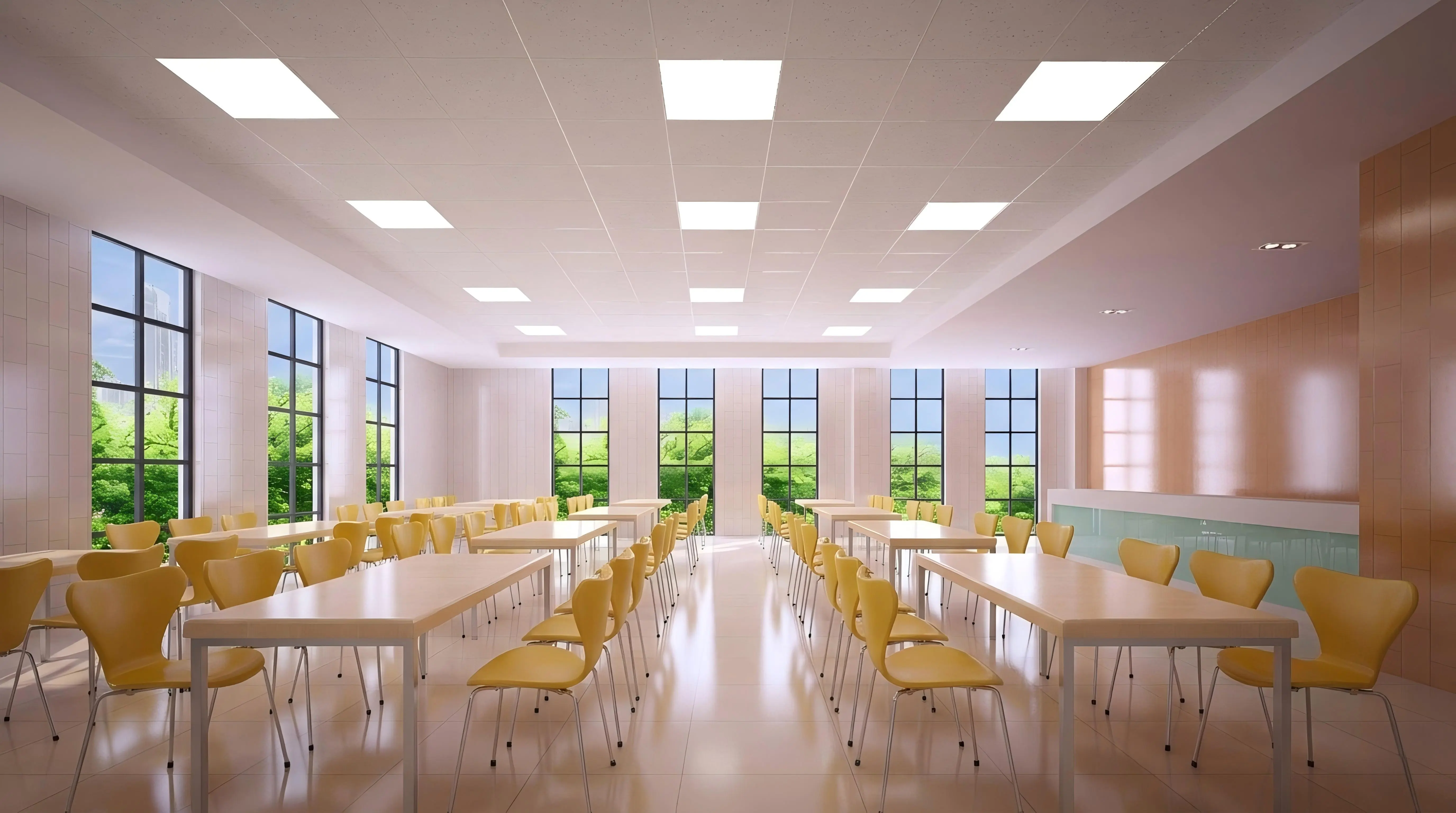
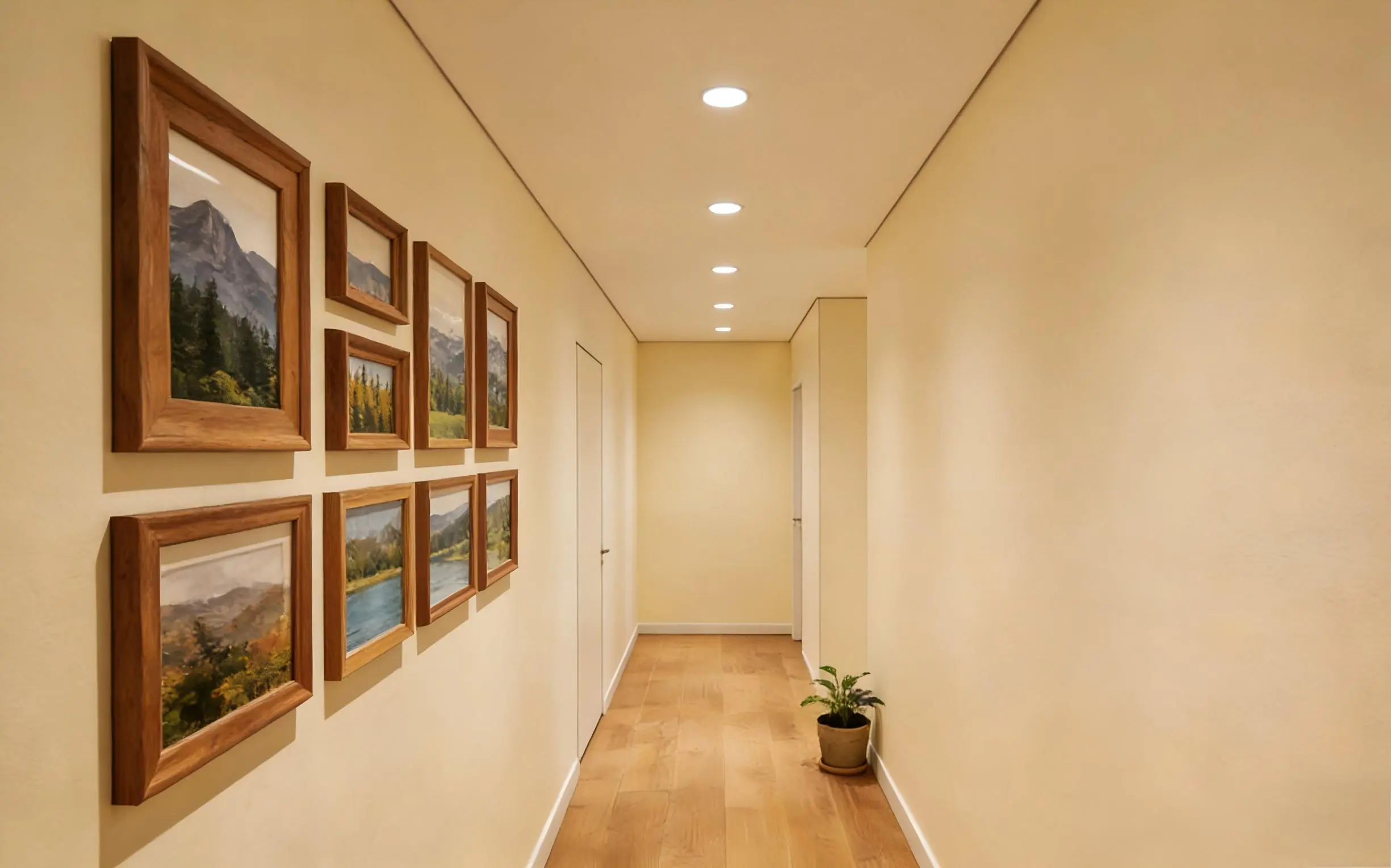
Recessed downlights provide clean, even illumination without taking up visual space. The hallway features a flat ceiling with recessed downlights pre-installed within, providing adequate lighting without appearing overly conspicuous.
- LED Spotlights
In hallways, spotlights provide accent lighting through directional and focused beams, enhancing both functionality and spatial depth. They are often used in combination with troffer lighting, where the brighter, well-directed light helps make the space feel more open and visually balanced, effectively reducing the sense of narrowness and confinement often associated with long corridors.
- LED Pendant lights
Pendant lights are particularly suitable for hallways with generous ceiling height. By introducing vertical visual elements, they help balance proportions and enhance the sense of depth and elegance within the space. Their relatively focused illumination makes them ideal for highlighting key areas such as console tables, decorative surfaces, or display cabinets, delivering practical lighting while also serving as eye-catching design features.
- LED Linear lights
Linear lights are especially well suited for hallways and corridors where uniform illumination is essential. In long and narrow passageways with limited natural light, integrating LED linear lights into ceilings or walls allows the light to extend smoothly along the space, effectively reducing the sense of darkness and visual confinement. At the same time, linear lighting adds depth and structure to otherwise plain ceilings and walls, creating a clean, modern, and refined visual appeal.
- LED Track Lights
Track lights are installed on linear tracks mounted to ceilings or walls, featuring adjustable lamp heads that enable precise control over the direction of light. Their continuous linear design helps visually extend the space, effectively reducing the enclosed feeling often found in hallways. One of their key advantages is their high level of flexibility, allowing fixtures to be freely combined and repositioned to meet different lighting requirements as needed.
- Ceiling lights
Ceiling fixtures, including flush-mount and semi-flush mount lights, are a practical and reliable choice for hallway lighting, especially in spaces with standard or lower ceiling heights. Designed to deliver wide and even illumination, they ensure the hallway remains bright and comfortable for everyday use. With a clean, unobtrusive appearance, ceiling fixtures are easy to install and maintain, making them particularly suitable for smaller or narrower hallways.
- Wall Lights
In hallway lighting design, wall lights are a highly efficient solution, particularly well suited for corridors with limited space. Installed directly on the wall, they do not interfere with circulation while effectively combining functional lighting with decorative appeal. Their soft, diffused illumination helps minimize glare and creates a warm, comfortable atmosphere. With thoughtful placement, wall lights can also enhance wall décor and architectural details, adding depth and visual interest to the hallway.
What Color Temperature Works Best for Your Hallway?
In hallway lighting, the choice of color temperature has a direct impact on both visual comfort and overall spatial perception. Warm white light is the most common option for residential settings, as it creates a soft and relaxing atmosphere. Neutral white light, on the other hand, offers a brighter feel, making it suitable for hallways that require a clean and well-defined look. As hallways serve as transitional areas between different rooms, the color temperature should remain consistent with adjacent spaces to ensure visual continuity. For home interiors, lighting in the range of 3000K to 3500K is generally recommended for a balanced and comfortable result.
Hallway Lighting Ideas to Brighten Up Your Space
- Layer Your Lighting
Avoid relying on a single light source. Combine ambient lighting (such as ceiling fixtures or linear lights) with accent lighting (spotlights or wall lights) to create depth and visual interest.
- Use Linear Lighting to Extend the Space
LED linear lights installed along ceilings or walls help guide the eye through the corridor, making long or narrow hallways appear wider and more open.
- Add Wall Lights for Warmth and Character
Wall-mounted fixtures provide soft, indirect illumination that reduces glare and creates a welcoming atmosphere. They are especially effective in compact hallways where floor space is limited.
- Highlight Key Areas with Accent Lighting
Use spotlights or track lights to draw attention to artwork, decorative niches, or console tables. Accent lighting breaks monotony and adds personality to the space.
- Avoid Overlighting
Excessively bright lighting can make narrow hallways feel harsh and confined. Opt for well-distributed, moderate brightness to maintain comfort and visual balance.
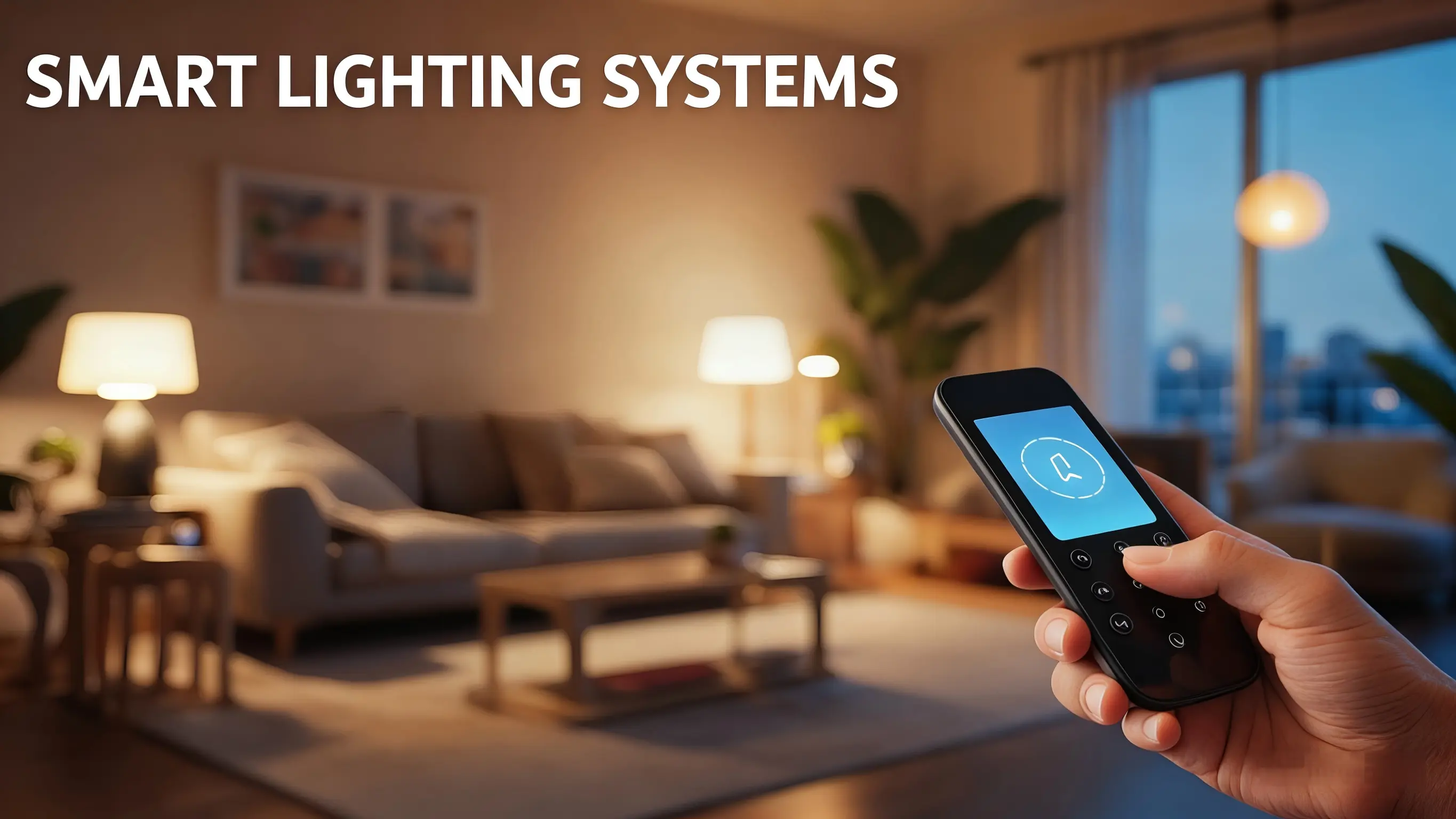
- Consider Smart and Sensor Lighting
Motion sensors or smart controls improve convenience and energy efficiency, especially in hallways that are frequently used but not occupied for long periods.
Hallway Lighting FAQs
1. How bright should hallway lighting be?
Hallways should be bright enough for safe movement without feeling harsh. In residential spaces, soft and evenly distributed lighting works best, avoiding strong glare or overly high brightness that can feel uncomfortable in narrow areas.
2. How can I make a narrow hallway look wider with lighting?
Using linear lights, wall washing, or evenly spaced downlights can visually extend the space. Avoid placing a single bright light source in the center, as it may emphasize the narrowness.
3. Are wall lights suitable for small hallways?
Yes. Wall lights are especially practical in compact hallways because they do not take up floor space. Indirect wall lighting also helps create a softer and more inviting atmosphere.
4. What makes track lighting a good choice for hallways?
Track lighting is well suited for hallways because it offers flexibility and efficient use of space. The linear track layout helps visually extend narrow corridors, making them feel more open. Adjustable light heads can be repositioned or angled to provide both general illumination and accent lighting.
5. How will hallway lighting evolve in the future?
Hallway lighting will become smarter and more adaptive, using sensors and automation to adjust brightness and timing based on occupancy and daylight.
6. Can hallway lighting become more personalized?
Definitely. Users will be able to customize lighting scenes, such as soft night lighting or accent modes through apps or smart home systems.