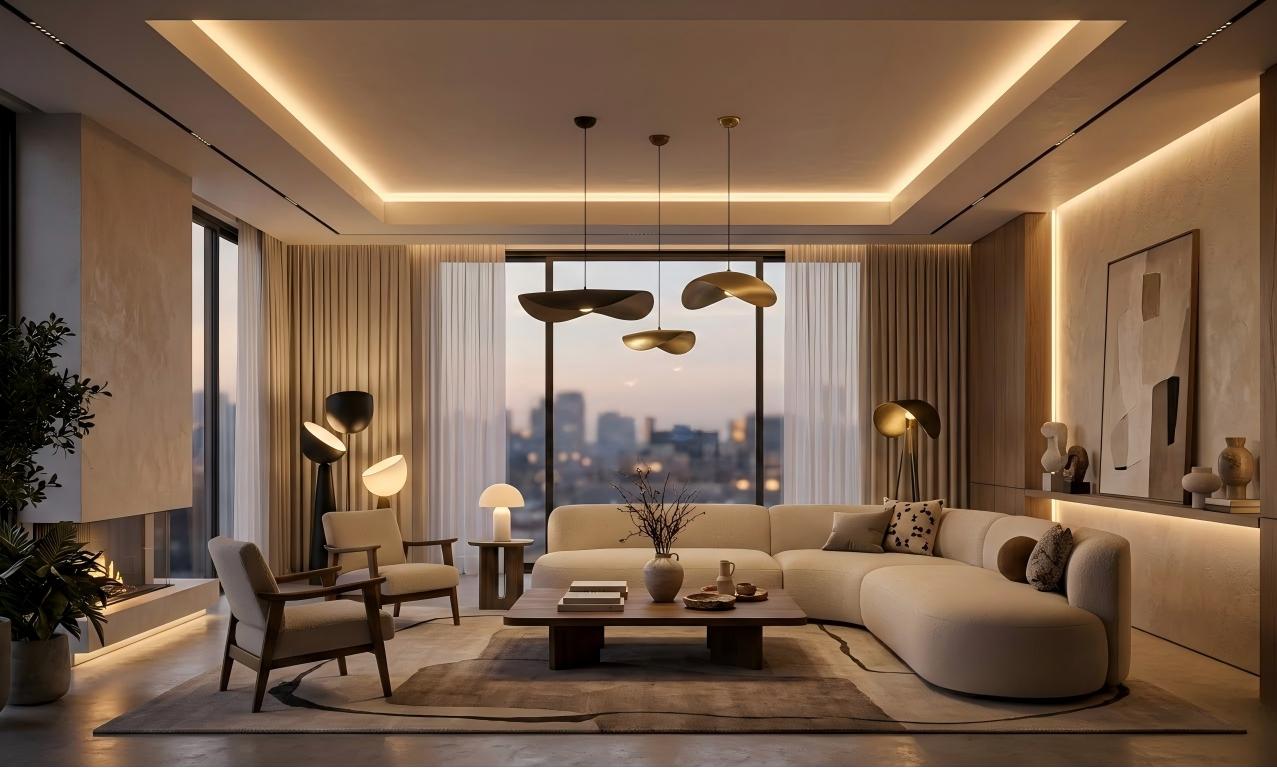



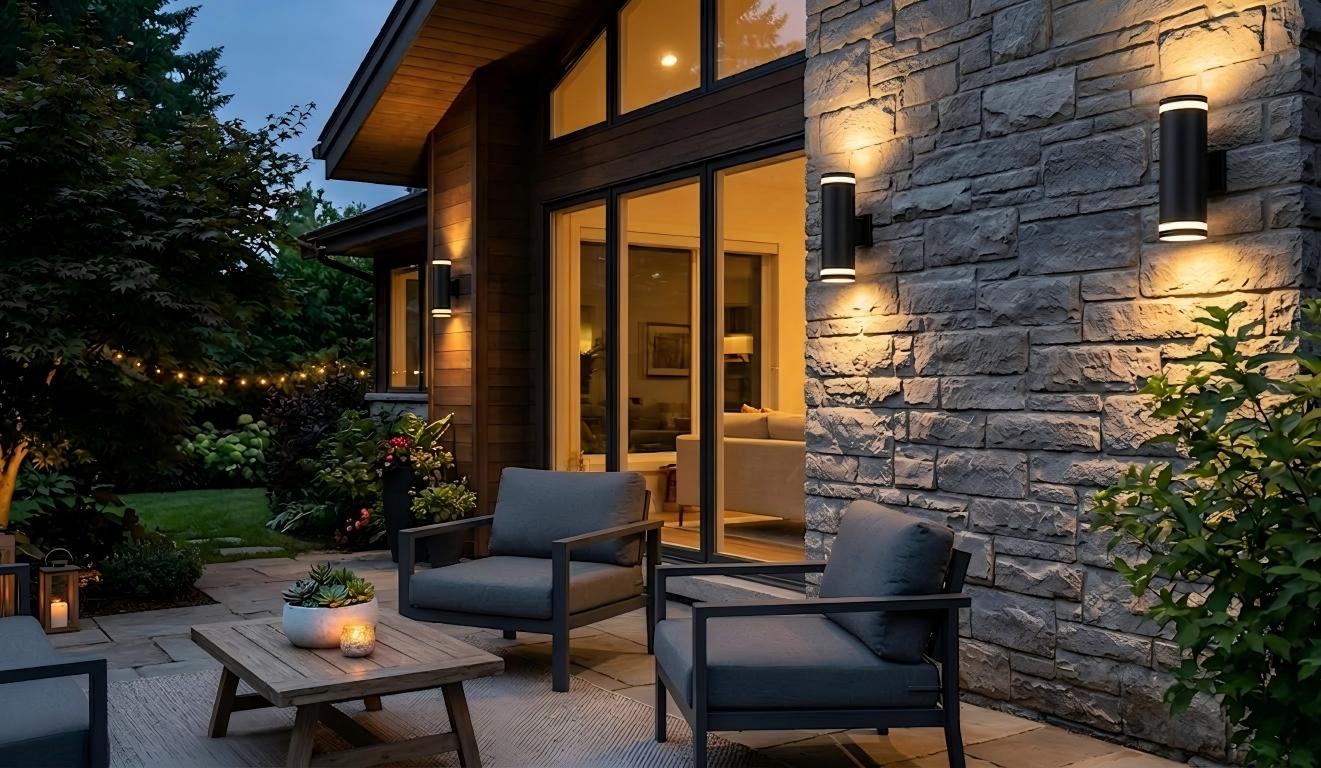
As we move into 2026, lighting design is leaning toward quiet luxury with fixtures that perform powerfully while maintaining a minimal footprint. The demand for high performance without visual clutter is precisely why LED cylinder wall lights have become so popular for commercial and residential projects. In this article, we will provide a comprehensive guide to LED cylinder wall lights, covering what they are, how they work and how to choose the perfect fixture for your space, helping you to master the art of cylinder lighting.
- What are LED Cylinder Wall Lights?
- LED vs. Traditional Cylinder Wall Lights
- Key Benefits of LED Cylinder Wall Lights
- Where to Use LED Cylinder Wall Lights?
- The UPSHINE Guide to Choosing the Right Light
- How to Install LED Cylinder Wall Lights Correctly?
- What Does the Future Hold for LED Cylinder Wall Lighting?
- FAQs about LED Cylinder Wall Lights
What are LED Cylinder Wall Lights?
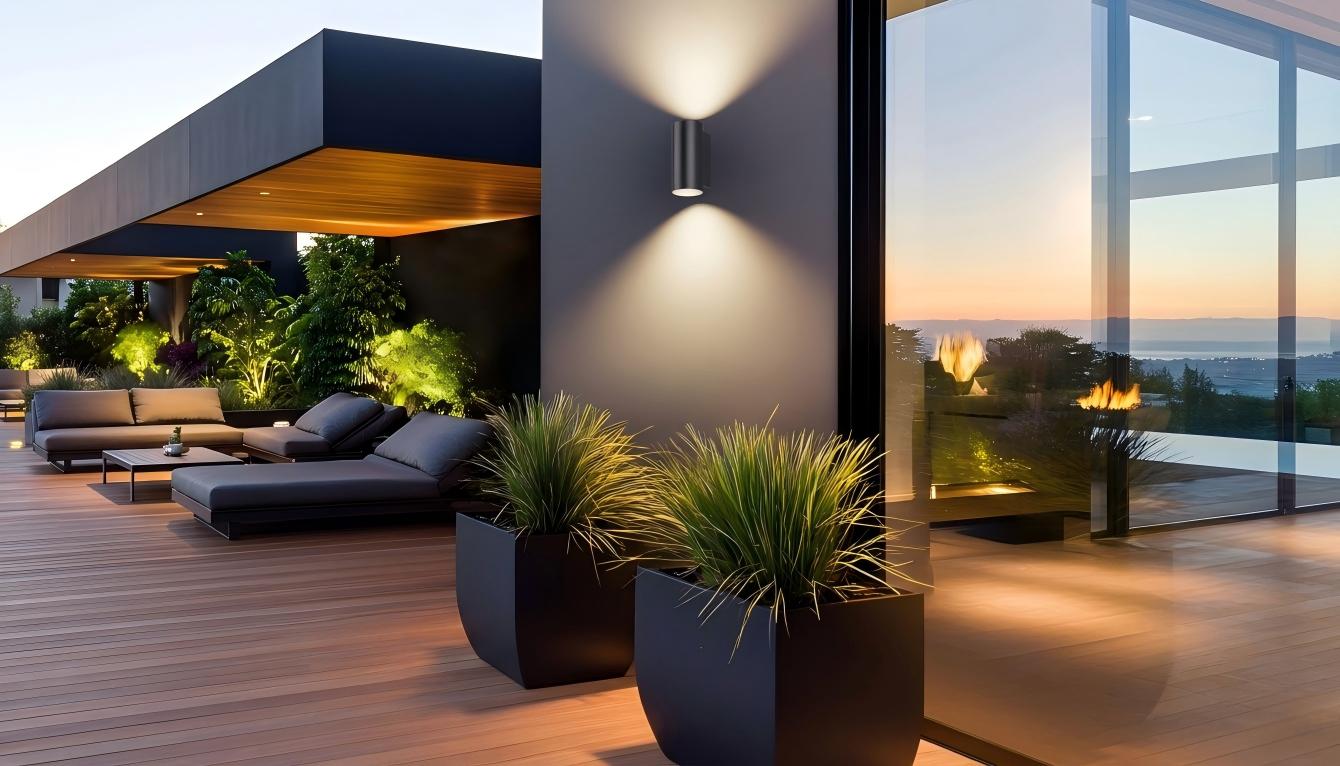
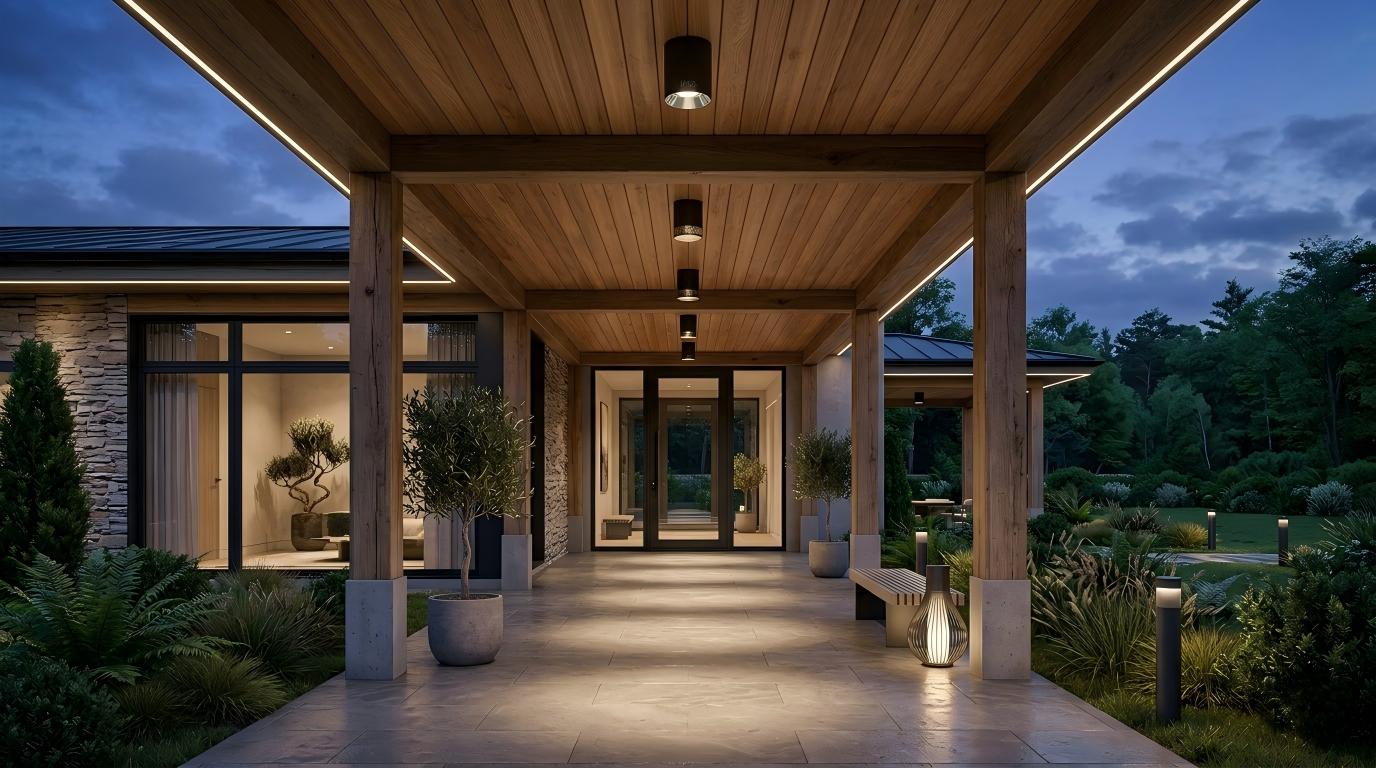
LED cylinder wall lights are sleek, tubular lighting fixtures mounted directly onto a wall surface, consisting of a cylindrical housing, typically made from aluminum or steel, an integrated LED module, and a built-in driver. Designed to cast light upward, downward, or both, it combines a clean geometric silhouette with efficient, directional illumination suited to both interior and exterior applications. This design serves as both a decorative accent and a practical safety light, offering superior energy efficiency and a maintenance-free lifespan compared to traditional bulb-based fixtures.
In modern architecture, these lights are popular for light layering, where they are used to highlight building textures, frame entryways or add rhythmic depth to long corridors. By combining minimalist design with precision lighting performance, cylinder wall lights have become the defining fixture for creating a sophisticated, high-end atmosphere in various spaces.
LED vs. Traditional Cylinder Wall Lights
While traditional cylinder wall lights rely on bulky, inefficient bulbs that waste significant energy as heat, modern integrated LED cylinders offer a superior architectural solution by combining a minimalist form factor with precision optics and maintenance-free longevity.
| Feature | Traditional Bulb-Based | Integrated LED Cylinders |
| Light Source | Incandescent or Halogen bulbs | Built-in LED chips |
| Efficiency | Low (80% heat loss) | High (80% energy savings) |
| Aesthetic | Bulky, dated profiles | Ultra-slim, minimalist |
| Precision | Scattered 360° light | Controlled Up/Down beams |
| Maintenance | Frequent replacements | 50,000+ hours (Low maintenance) |
| Durability | Fragile glass/sockets | Robust die-cast aluminum |
Key Benefits of LED Cylinder Wall Lights
Unlike traditional, bulky wall fixtures that often scatter light inefficiently, modern LED cylinder wall lights are precision-engineered architectural tools. By moving away from old-fashioned bulbs and embracing a sleek, integrated design, these fixtures offer a level of performance and style that traditional lighting simply can’t match.
Here are the four primary advantages they bring to any commercial or residential project:
1. Maximum Energy Savings
While older lamps waste most of their energy as heat, integrated LEDs convert nearly all power into light. This results in up to 80% lower electricity bills, making them a smart, sustainable choice for large-scale projects.
2. Controlled Architectural Accents
Traditional lights often cause "light spill" and glare. Cylinder lights, however, use specialized lenses to create sharp up-and-down beams. This allows you to "sculpt" a building’s facade, highlighting textures and adding dramatic depth to any wall.
3. Low Maintenance Longevity
Forget the hassle of frequent bulb changes. With a lifespan of 50,000+ hours and a rugged die-cast aluminum body, these fixtures are built to last for over a decade, virtually eliminating maintenance costs and labor.
4. Sleek & Minimalist Aesthetic
LED cylinder wall lights feature a clean, simple tubular shape that brings a modern, understated elegance to any space. With smooth lines and a compact, low-profile structure, they match with contemporary, minimalist styles. This refined design avoids visual clutter, highlights wall surfaces, and elevates the overall sense of space without overwhelming the decor.
Where to Use LED Cylinder Wall Lights?
Understanding the technical benefits is just the first step; knowing where to use them is what truly unleashes their potential. LED cylinder wall lights are remarkably adaptable fixtures. The table below illustrates the most common application scenarios, helping you to find the right fit for your project.
| Location | Primary Purpose | Recommended Beam Style |
| Building Facade | Architectural Accent | Up & Down (Narrow Beam) |
| Front Door | Entrance Security / Greeting | Down-only or Up & Down |
| Hotel Hallway | Navigation & Mood | Up & Down (Wide/Diffused) |
| Patio/Deck | Ambiance | Soft Down-light |
| Garage Pillars | Safety & Scale | High-lumen Up & Down |
Summary Table: LED Cylinder Wall Lights Application
The UPSHINE Guide to Choosing the Right Light
Choosing the right lighting is about balancing technical performance with the desired atmosphere. To help you navigate the options, we have outlined the key factors to consider when selecting LED cylinder wall lights for your project.
1. Identify the Primary Purpose
Before looking at specs, determine what you want the light to achieve:
- Ambient Lighting: For general visibility in hallways or patios, look for wider beam angles.
- Accent Lighting: To highlight architectural textures (like stone or brick), choose narrow beams that create sharp "up-and-down" light cones.
- Security Lighting: Focus on high-lumen "down-light" only models for entryways and garage perimeters to maximize ground visibility.
2. Select the Right Color Temperature (CCT)
The "color" of the light sets the mood of the environment:
- Warm White (2700K - 3000K): Best for residential living areas, hotel bedrooms, and cozy outdoor dining spaces.
- Neutral White (4000K): The standard for modern office facades, commercial hallways, and contemporary architectural projects.
- Cool White (5000K+): Ideal for high-security areas or industrial settings where maximum clarity is required.
3. Check the IP Rating for Environment
Durability depends on where the fixture will be installed:
- Indoor Use: An IP20 rating is sufficient for dry, interior spaces like corridors or lobbies.
- Outdoor/Wet Locations: Always choose IP65 or higher. This ensures the fixture is completely sealed against dust, heavy rain, and varying weather conditions.
4. Optimize Beam Angles
The "shape" of the light defines the visual impact:
- Narrow (15° - 24°): Creates a tall, dramatic light "blade" perfect for high-rise facades.
- Medium/Wide (36° - 60°): Provides a softer, more functional wash of light that is easier on the eyes in residential settings.
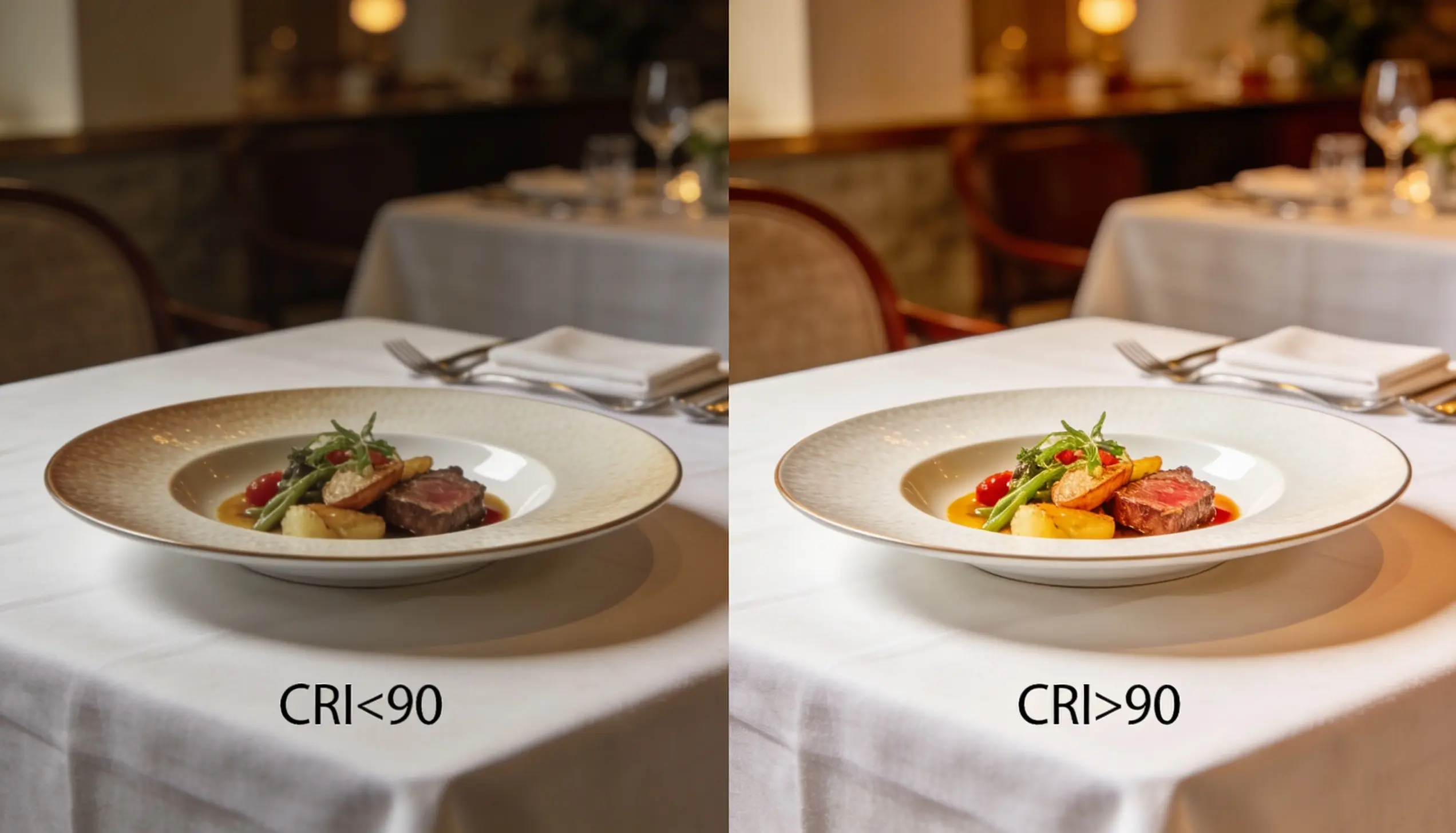
5. Prioritize High CRI (Color Rendering Index)
For premium projects, the quality of light is just as important as the quantity:
- CRI >80: The standard for most exterior and general commercial applications.
- CRI >90: Essential for luxury retail, high-end hotels, and galleries where colors must appear vibrant and true to life.
How to Install LED Cylinder Wall Lights Correctly?
Installing LED cylinder wall lights is more straightforward than you might think — but getting it right from the start makes all the difference in both safety and performance. Whether you're a confident DIYer or working with an electrician, understanding the key steps will help ensure a clean, secure, and long-lasting result.
Step 1: Choose the Right Location
Before picking up a drill, take time to plan your placement carefully. Consider the fixture's purpose — is it for ambient lighting, accent, or security? Mount height typically ranges from 5.5 to 6.5 feet above floor level for interior spaces, while exterior placements should account for weather exposure and beam direction. Make sure there is an accessible power source nearby.
Step 2: Turn Off the Power
Safety first. Switch off the circuit at your breaker box before touching any wiring. Use a voltage tester to confirm the power is fully off before proceeding — never skip this step.
Step 3: Mark and Drill the Mounting Holes
Hold the fixture's mounting bracket against the wall at your chosen position and use a pencil to mark the drill points. Drill into a wall stud where possible for maximum stability. If drilling into drywall without a stud, use appropriate wall anchors to ensure a secure fit.
Step 4: Connect the Wiring
Thread the electrical wires through the mounting bracket and connect them according to the fixture's wiring diagram — typically matching live to live, neutral to neutral, and earth to earth. Secure all connections with wire connectors and ensure no bare wire is left exposed.
Step 5: Attach the Mounting Bracket
Fasten the mounting bracket firmly to the wall using the provided screws. Give it a gentle tug to confirm it is secure and level before moving on.
Step 6: Fix the Fixture in Place
Carefully align the cylinder housing with the mounted bracket and secure it according to the manufacturer's instructions. Most fixtures snap or screw directly onto the bracket for a flush, clean finish against the wall.
Step 7: Restore Power and Test
Once everything is securely in place, restore power at the breaker and switch the light on. Check that the fixture illuminates correctly and that the beam direction aligns with your original intent. Make any minor adjustments before finalizing the installation.
A Few Things to Keep in Mind
- Always check local electrical codes and regulations before starting any wiring work.
- For outdoor installations, ensure the fixture carries an appropriate IP rating for weather resistance.
- If you are unsure about any step involving live wiring, consult a licensed electrician — it is always worth the peace of mind.
What Does the Future Hold for LED Cylinder Wall Lighting?
As a lighting manufacturer, we see a clear and exciting future ahead. LED cylinder wall lighting is no longer just for illumination — it has become an essential part of space design, experience, and management.
- Smarter Controls, Simpler Living
The latest cylinder wall lights go beyond basic on/off switches. Voice control, app dimming, motion sensors, and smart home integration are fast becoming standard features. We are creating fixtures that adapt intuitively to daily life.
- Tunable Light for Every Moment
Fixed color temperatures are being replaced by tunable white and full-spectrum lighting. With one fixture, you can switch from warm, relaxing evening light to bright, energizing morning light. This flexibility transforms both homes and hospitality spaces.
- Sustainability at the Core
LEDs are already energy-efficient, and future designs will go even further. We are developing longer-lasting fixtures using recyclable materials and lower carbon footprints, combining high-quality lighting with responsible production.
- Discreet, High-Impact Design
The trend is toward subtle, minimalist design. Future cylinder wall lights will be slimmer, integrate seamlessly with walls, and stay understated while letting the light create the main visual effect.
- Built for All Environments
We are expanding where cylinder wall lights can be used — from coastal areas to humid commercial spaces. Better IP ratings, durable materials, and strict testing ensure reliable performance in any setting.
The future of LED cylinder wall lighting is smarter, more sustainable, and more refined — and we are proud to lead this evolution.
FAQs about LED Cylinder Wall Lights
Q1: How long do LED cylinder wall lights last?
Most LED cylinder wall lights are rated for between 25,000 and 50,000 hours of use. In practical terms, that means you could run them for 8 hours a day and not need to think about replacing them for well over a decade — far outlasting traditional bulb-based fixtures.
Q2: Are LED cylinder wall lights suitable for outdoor use?
Yes — but not all of them. For outdoor installations, always check the fixture's IP (Ingress Protection) rating. An IP44 rating offers protection against splashing water, making it suitable for covered outdoor areas, while IP65 and above can handle direct rain and dust exposure, ideal for building façades, patios, and garage pillars.
Q3: Can LED cylinder wall lights be dimmed?
Most modern LED cylinder wall lights are fully dimmable, but it's important to pair them with a compatible LED dimmer switch. Using a non-compatible dimmer can cause flickering or reduce the lifespan of the fixture. Always check the product specifications before purchasing a dimmer.
Q4: How much electricity do LED cylinder wall lights use?
LED cylinder wall lights are highly energy-efficient, typically consuming between 5W and 20W depending on the size and brightness of the fixture. Compared to traditional 60W incandescent equivalents, the energy savings are significant — up to 80% lower electricity consumption over time.
Q5: Can I install LED cylinder wall lights myself?
For straightforward replacements where wiring is already in place, a confident DIYer can handle the installation. However, if new wiring or circuit work is required, it is always recommended to hire a licensed electrician — both for safety and to comply with local electrical regulations.
Q6: Are LED cylinder wall lights available in different finishes?
Absolutely. Most manufacturers offer a wide range of finishes including matte black, brushed nickel, polished chrome, brushed gold, and white. Choosing the right finish to complement your wall color and interior style is one of the easiest ways to elevate the overall look of your space.
Q7: Do LED cylinder wall lights get hot?
Unlike traditional bulbs, LED fixtures produce very little heat during operation. The cylindrical housing is typically designed with heat dissipation in mind, keeping the surface cool to the touch and reducing any fire or burn risk — making them a safer choice for homes with children or pets.
Ready to Upgrade Your Lighting Project?
Explore our full range of professional UPSHINE LED cylinder wall lights and discover how precision engineering can transform your space.