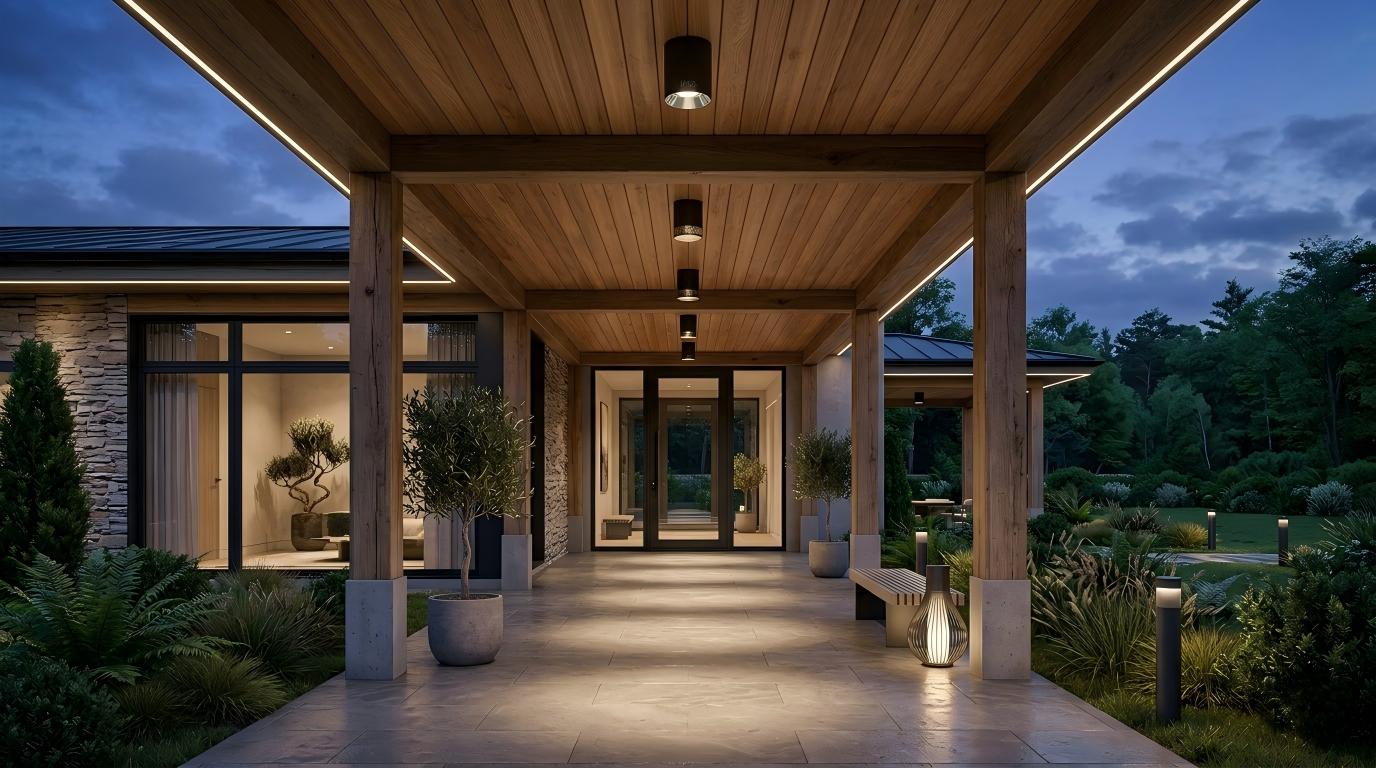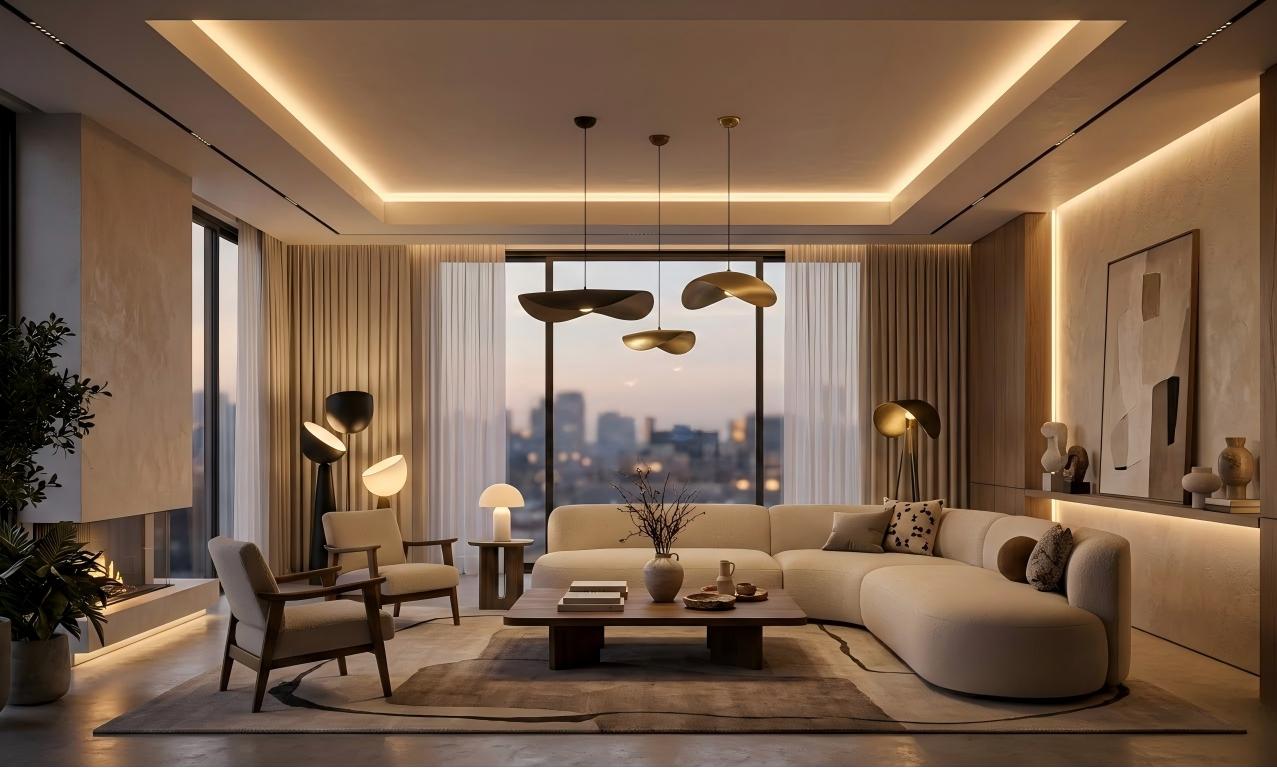



Acoustic lighting is an innovative, dual-function solution that combines illumination with sound absorption within a single ceiling fixture. Unlike traditional light fixtures, these specially designed panels reduce echo and background noise, making them increasingly popular in offices, restaurants and public spaces. But how does acoustic lighting actually compare to traditional lighting? This article will help you decide which option best suits your space by explaining the key differences between them.
What is Acoustic Lighting?
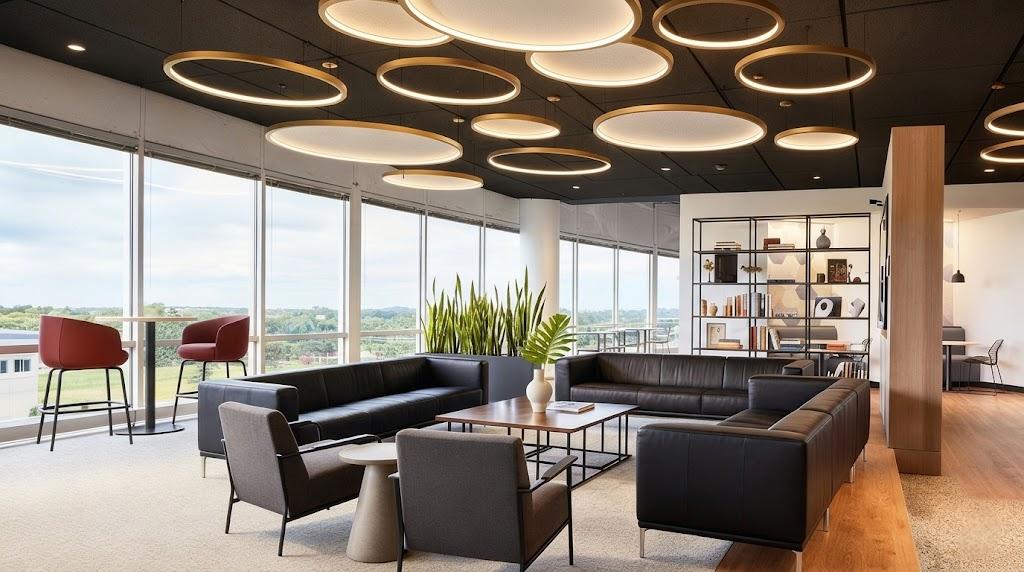
Acoustic lighting is a lighting fixture design that combines LED lighting with sound-absorbing materials to integrate lighting and noise reduction functions. Using high-efficiency sound-absorbing materials such as porous foam and mineral fibres, it effectively absorbs sound waves, reducing noise reflection and reverberation to improve the indoor acoustic environment. Meanwhile, its aesthetic design enhances the visual quality of the space. This design effectively improves both the sound environment and the appearance, making it ideal for shared spaces that are prone to noise, such as offices, meeting rooms, and restaurants. It significantly enhances the comfort and practicality of the overall environment.
UPSHINE integrates PET acoustic materials into precision lighting fixtures — delivering illumination and sound absorption in a single, beautiful solution. "Harmony Glow" is UPSHINE's vision for the modern interior — a design approach that fuses functional lighting with acoustic comfort, creating environments that are both visually refined and acoustically serene.
How does Traditional Lighting Work?
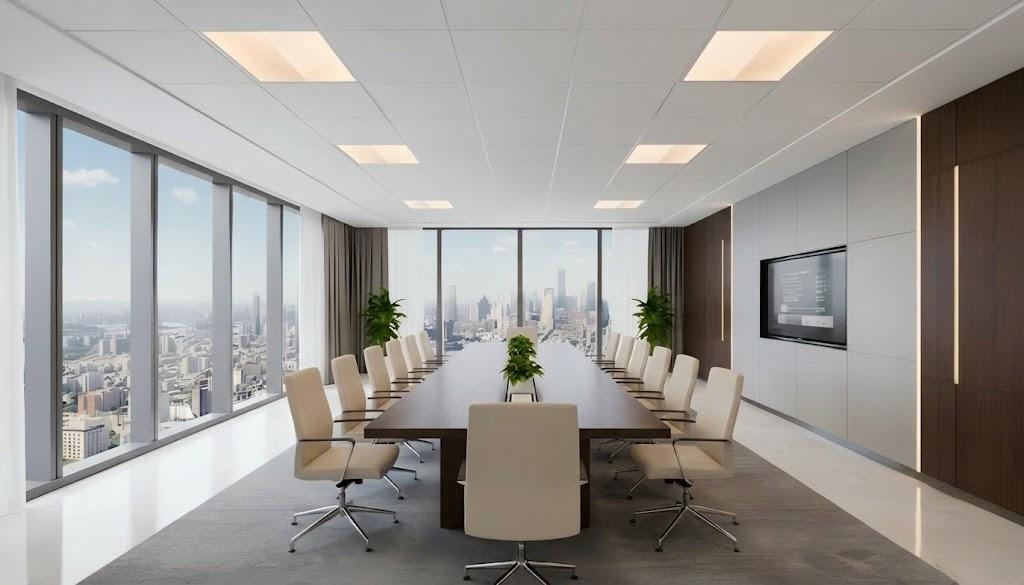
To understand what sets acoustic lighting apart, it helps to first grasp how traditional lighting works. Traditional light fixtures, ranging from LED recessed downlights to pendants, are designed purely for visual functionality. They distribute light across a space using bulbs or LED modules, and their housings are usually made from hard, reflective materials. While these surfaces are great for directing light, they tend to reflect sound rather than absorb it, which often contributes to the very noise problems that acoustic lighting is designed to solve.
Key Differences Between Acoustic and Traditional Lighting
1. Primary Function
Traditional lighting is designed for one purpose only — to illuminate a space. Acoustic lighting, on the other hand, serves a dual function: it provides light while simultaneously absorbing sound, making it a multi-functional solution for modern interiors.
2. Materials Used
Traditional light fixtures are typically made from hard materials such as metal, glass, or plastic, which reflect sound and can contribute to echo. Acoustic lighting panels are constructed with sound-absorbing materials — often high-density foam or recycled PET felt — integrated directly into the fixture's design.
3. Acoustic Performance
Traditional lighting has zero impact on a room's acoustic environment. Acoustic lighting, by contrast, is engineered to reduce reverberation, echo, and background noise, improving overall sound quality within a space.
4. Aesthetic & Design
Traditional lighting comes in a wide range of styles but is purely decorative and functional in terms of light. Acoustic lighting combines visual design with acoustic engineering, often available in customizable shapes, colors, and sizes to complement modern interior design.
5. Installation & Space Efficiency
With traditional lighting, separate acoustic panels or soundproofing materials are needed if noise control is a concern — requiring additional installation and wall or ceiling space. Acoustic lighting eliminates this need by combining both elements into a single ceiling-mounted fixture, saving space and simplifying installation.
6. Cost Consideration
Traditional lighting is generally more affordable upfront. Acoustic lighting typically comes at a higher initial cost, but can offer long-term savings by removing the need for separate acoustic treatment solutions.
7. Best Use Cases
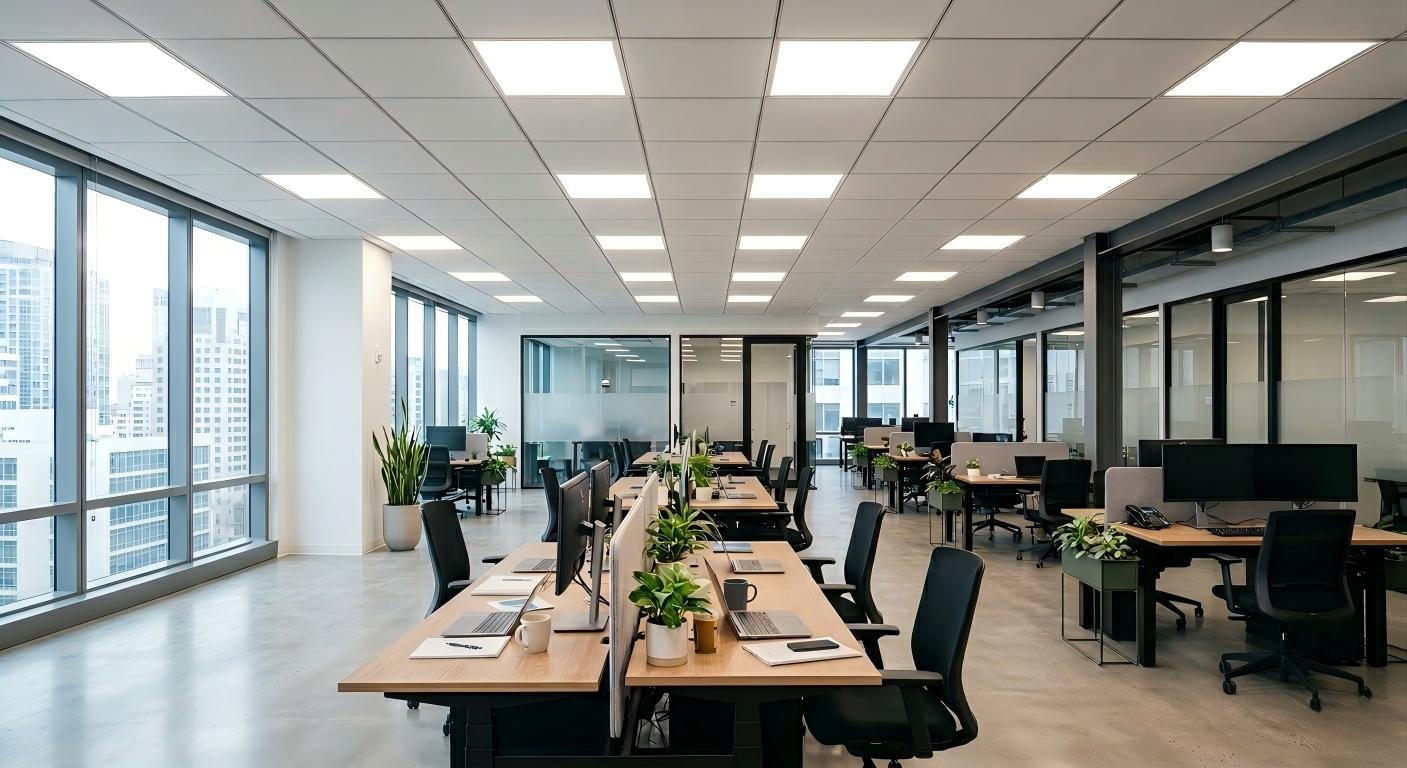
Traditional lighting suits most standard residential and commercial settings where acoustics are not a primary concern. Acoustic lighting is ideal for open-plan offices, restaurants, conference rooms, schools, and any space where both lighting and noise control are priorities.
Which One Is Right for Your Space?
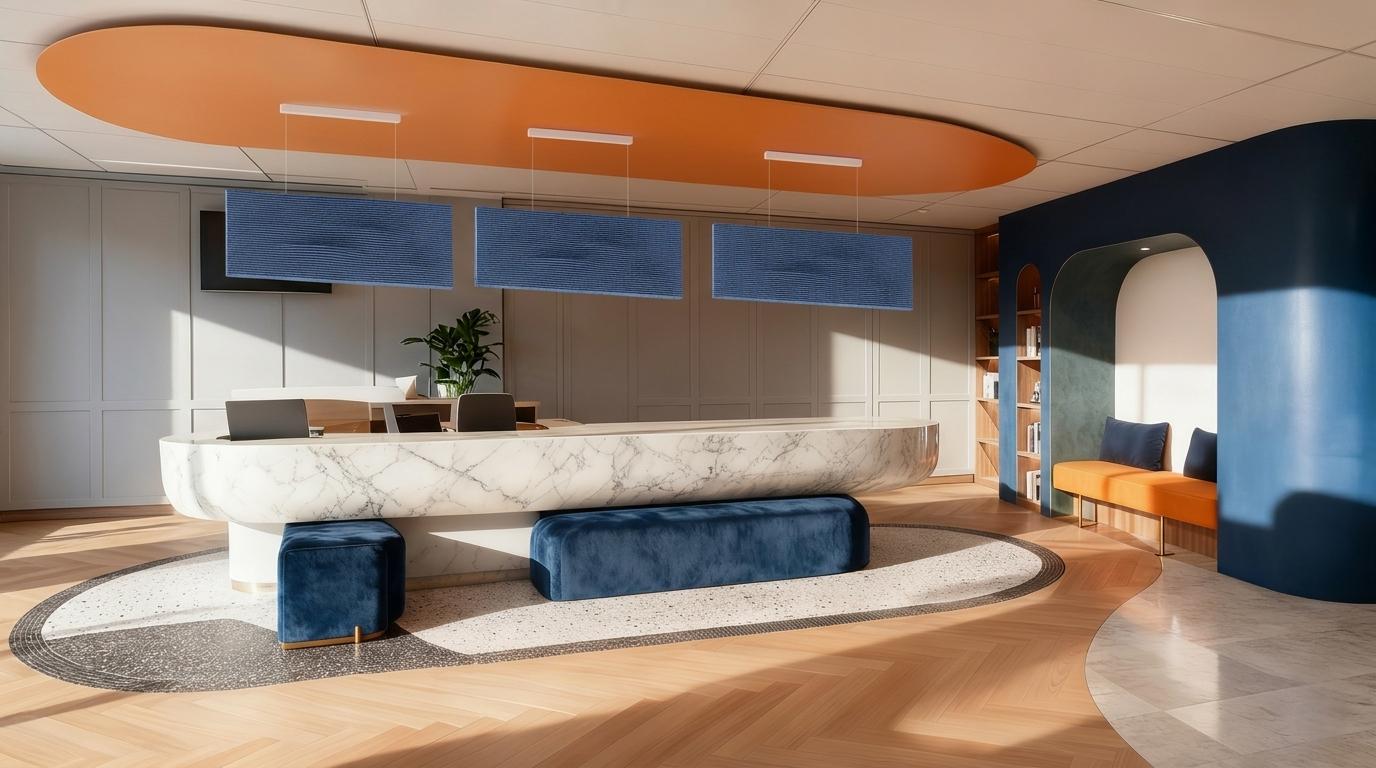
The choice between acoustic lighting and traditional lighting depends on the specific needs of your space. If you are working in an open-plan office or a busy restaurant, for example, where noise is a concern, acoustic lighting offers a smart, two-in-one solution that enhances comfort and ambience without the need for additional soundproofing. Conversely, if your space has already addressed its acoustic needs or budget is a primary consideration, traditional lighting remains a reliable and cost-effective choice.
In residential settings, traditional lighting may be perfectly sufficient, particularly in smaller rooms where echo and noise are rarely an issue. However, for larger living spaces, home studios or open-plan homes, acoustic lighting can significantly improve how the space feels and sounds.
Ultimately, the best choice is the one that aligns with your design goals, acoustic requirements and budget. As acoustic lighting continues to evolve and become more accessible, it is quickly becoming the preferred option for those who want their space to look and sound great.
Still not sure which lighting solution is right for you? Feel free to reach out to us at UPSHINE Lighting — we're happy to help you find the perfect fit for your space!