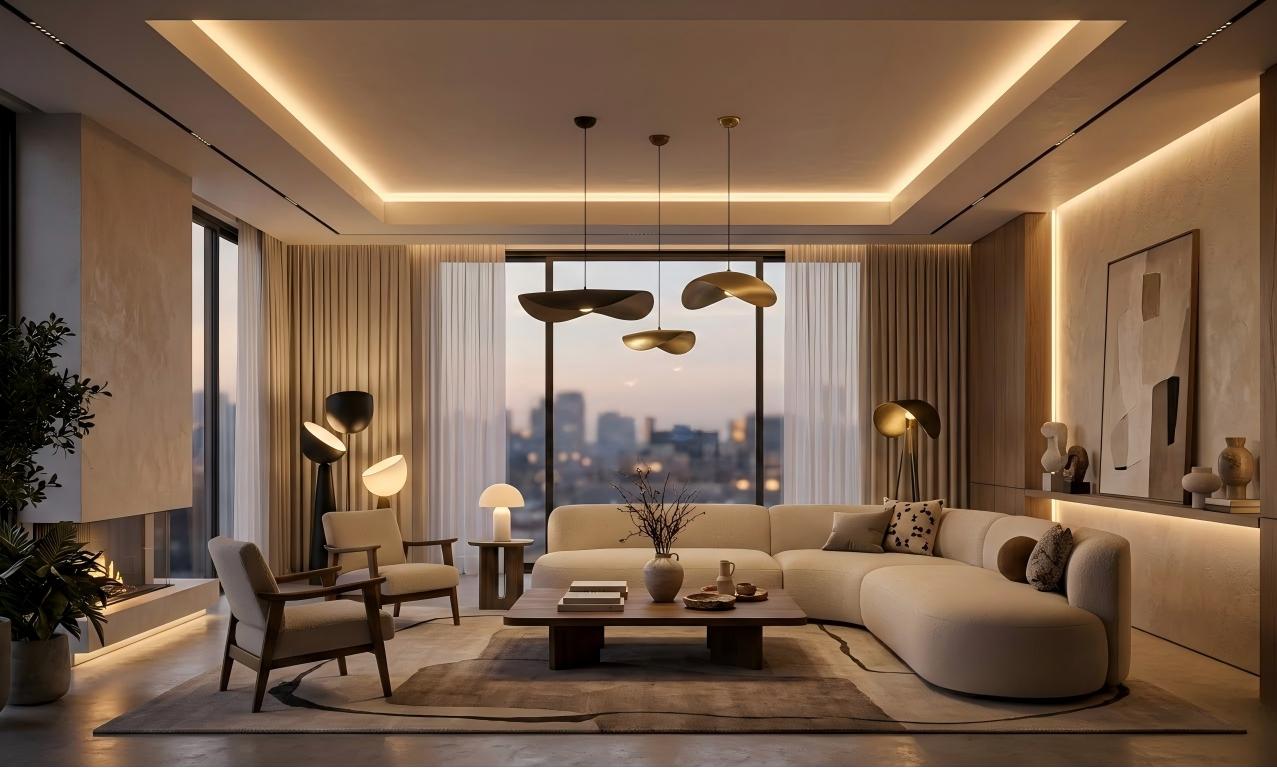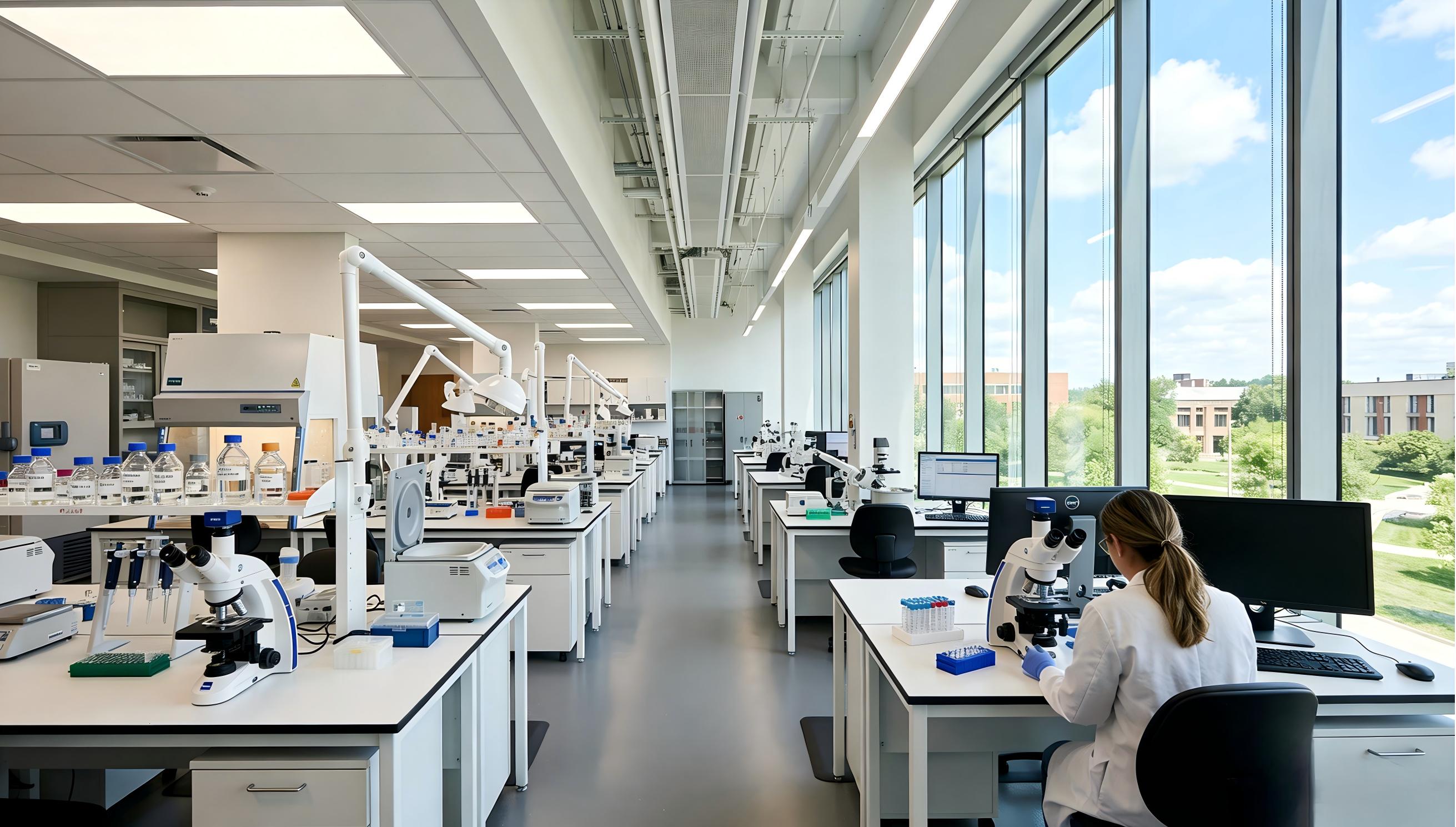



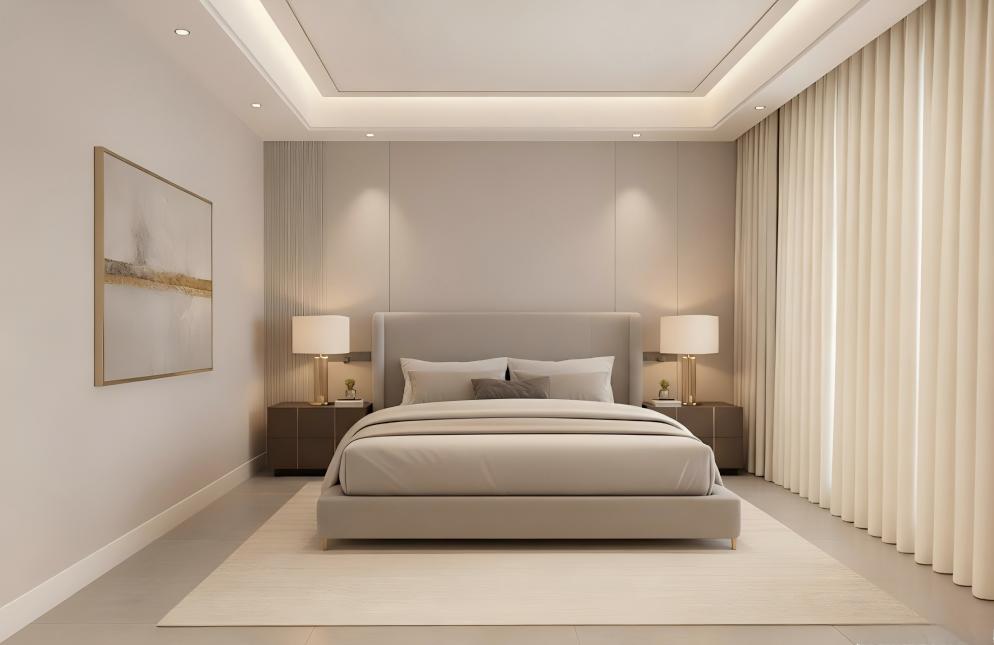
In modern lighting design, downlights have become increasingly prevalent. Today, LED light sources are swiftly replacing traditional halogen lamps and emerging as the dominant choice in both residential and commercial applications. But what factors are driving this shift? This article offers a comprehensive analysis of the key advantages behind the growing popularity of LED downlights.
Understanding LED Downlights and Halogen Downlights
Downlights, named for their cylindrical shape, are a type of direct downlighting fixture with uniform light distribution and a relatively wide beam angle. Their light sources are typically built-in, and the light is evenly dispersed through reflectors, creating a soft and comfortable lighting effect. Downlights are versatile in installation; they can be recessed into the ceiling or surface-mounted on walls, making them suitable for a variety of spatial applications. Depending on usage requirements, they can be paired with various light sources such as LEDs, energy-saving lamps, or halogen lamps. Among these, LED downlights have become the mainstream products in the current market due to their advantages of low energy consumption, long lifespan, and low heat generation.
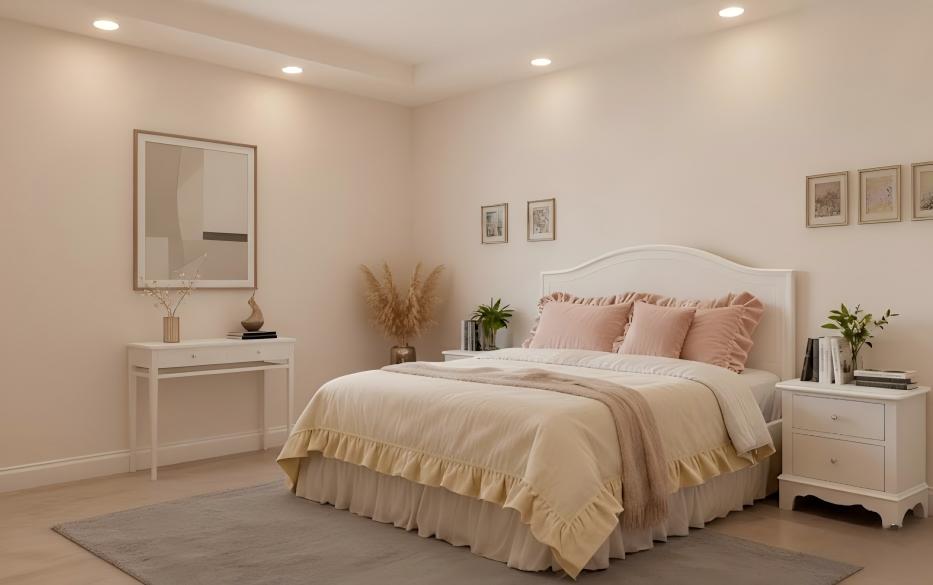
LED downlights are a type of lighting fixture that uses LED light sources. Common installation methods include recessed installation and surface installation. They provide an efficient and comfortable lighting experience by evenly distributing light throughout the space. Due to their characteristics such as high energy efficiency, long lifespan, low heat generation, and soft light, LED downlights are widely used in various indoor spaces. They can not only provide an ideal lighting effect but also reduce energy consumption, making them the development trend of future lighting.
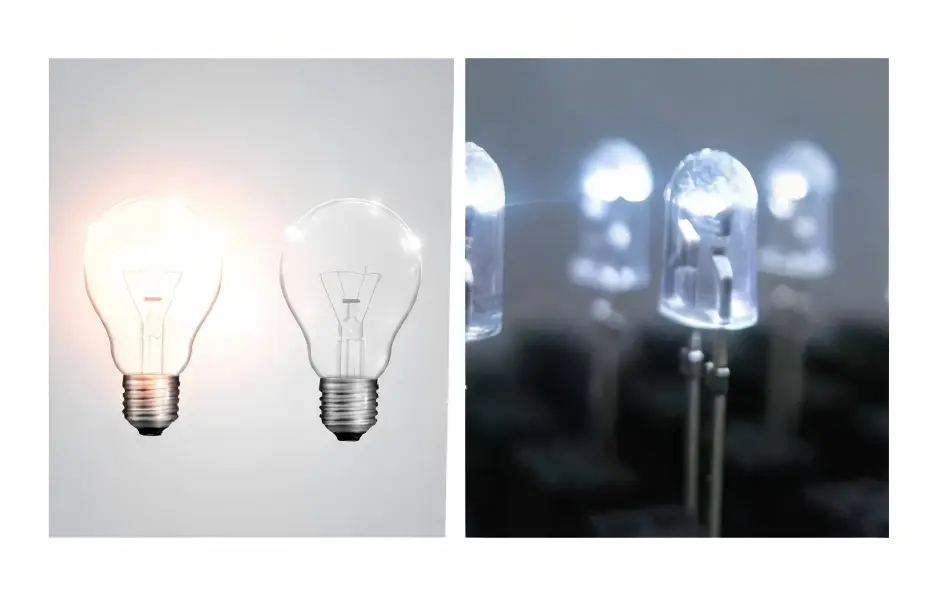
Difference Between Halogen and LED Lights
Halogen downlights are recessed ceiling fixtures that use halogen bulbs as the light source. Halogen bulbs are an enhanced type of incandescent lamp. They employ halogen gases like iodine or bromine to improve bulb life and brightness. Known for their high brightness and excellent color rendering, these lights provide focused illumination. However, they produce significant heat, have a shorter lifespan, and are less energy-efficient than LEDs. Although increasingly replaced by LED fixtures, halogen downlights remain in use in specific settings due to their warm light quality and superior lighting performance.
Why are LED Downlights More Energy-efficient?
LED downlights are more energy-efficient than halogen downlights for several key reasons:
- Lower Energy Consumption
LED downlights consume significantly less energy compared to halogen downlights. While a halogen bulb may use 50-70 watts to produce the same amount of light as an LED that only uses 10-15 watts, LEDs can achieve the same brightness with up to 80% less power. This results in a considerable reduction in energy usage and lowers electricity bills.
- More Efficient Light Conversion
LEDs are much more efficient at converting electrical energy into light. Around 90% of the energy used by an LED is converted into visible light, while the rest is minimal heat. In contrast, halogen bulbs waste nearly 90% of energy as heat, meaning much of the power is not used effectively to generate light, reducing their overall efficiency.
- Longer Lifespan
LED downlights have a much longer lifespan compared to halogen lights. A typical LED can last between 25,000 and 50,000 hours, whereas halogen bulbs usually last only about 2,000 to 4,000 hours. The longer lifespan means LEDs need fewer replacements, reducing the overall cost of ownership and waste.
- Better Light Efficiency
LEDs produce more light per watt than halogen downlights. This means that LEDs are more luminous per unit of energy, offering a higher luminous efficacy. Halogen bulbs, by contrast, require more energy to produce the same brightness, resulting in lower overall light efficiency. Thus, LEDs provide better illumination with less energy consumption.
Why is Replacing Halogen Downlights Necessary?
- Safety Considerations
LED downlights have a much lower operating temperature compared to halogen bulbs, significantly reducing the risk of fires. LEDs generate minimal heat, which not only makes them safer to use but also prevents damage to fixtures and ceilings. On the other hand, halogen lights operate at very high temperatures, often becoming extremely hot, which can cause fire hazards or damage to surrounding materials. Additionally, the comfort and safety experience is notably better with LEDs, as they provide consistent, cooler light without the risk of overheating.
- Available Options
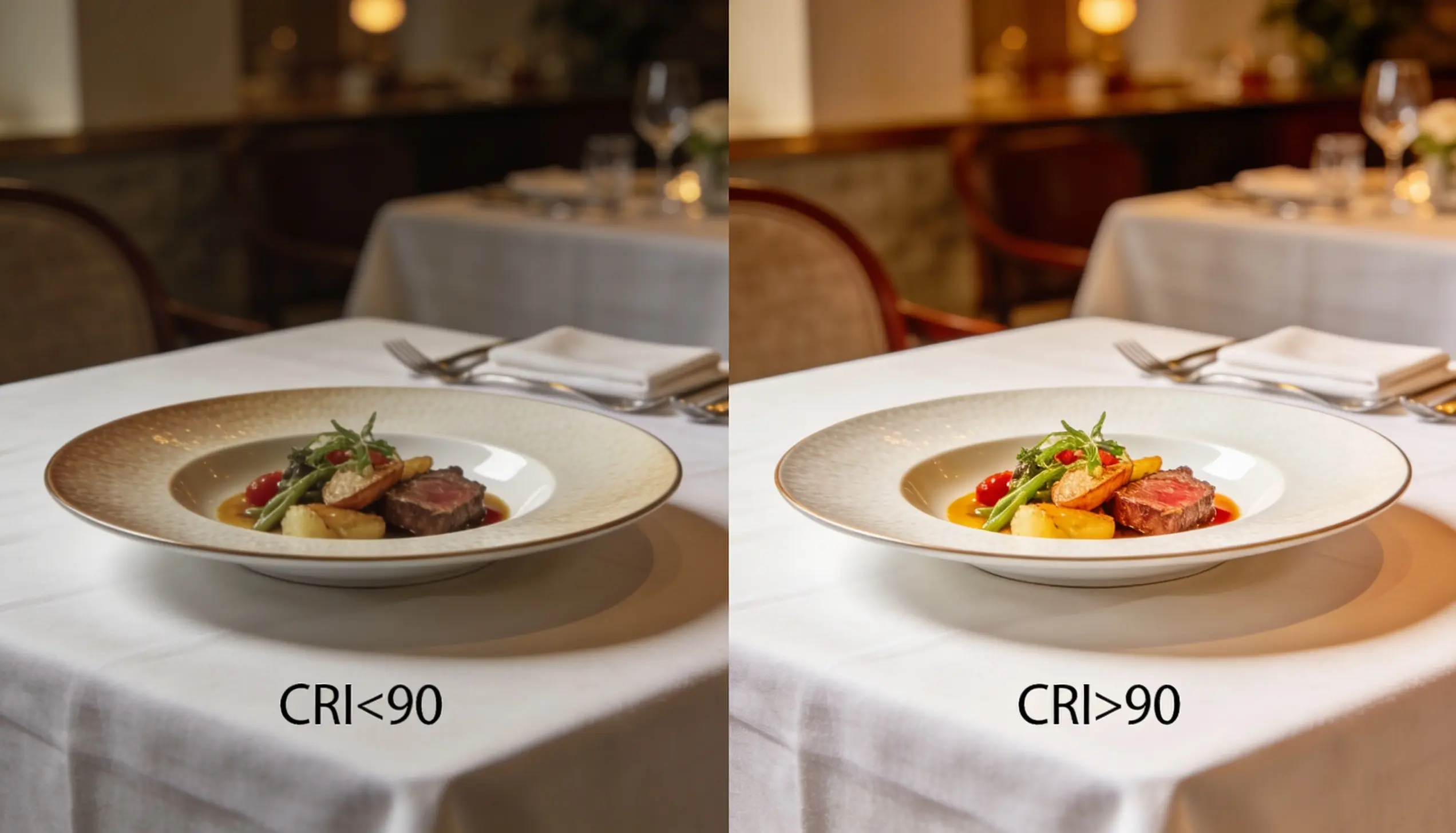
Modern LED downlights offer a wide variety of features that halogen lights cannot match. LEDs come in multiple color temperatures (from warm white to cool white) and are often dimmable, allowing for greater customization of lighting based on user preference or room function. They also have superior color rendering (high CRI), which makes objects appear more natural and vibrant. In contrast, halogen bulbs, while offering a warm, natural light, are more limited in terms of options. The flexibility and design freedom provided by LED downlights give interior designers more room to work with, making them ideal for modern, dynamic spaces.
- Environmental Factors
LED downlights are environmentally friendly, as they contain no harmful substances such as mercury, which is commonly found in other light sources like CFLs. Additionally, LEDs have a much lower carbon footprint due to their energy efficiency, which results in reduced energy consumption and fewer carbon emissions. Halogen lights, on the other hand, consume more electricity and produce more greenhouse gases, contributing to a higher environmental impact. As sustainability becomes a growing concern, LED lighting is recognized as a key component in future-proofing lighting systems, reducing waste, and contributing to a more sustainable lighting solution.
Suitable LED Downlights to Replace Halogen
If you need some advice on replacing your room's halogen downlights, you can easily enjoy LED downlights with an adjustable CCT design. Adjustable CCT technology in downlights offers a highly effective replacement for traditional halogen downlights. We are pleased to introduce our newly designed Upshine DL459A LED downlight.
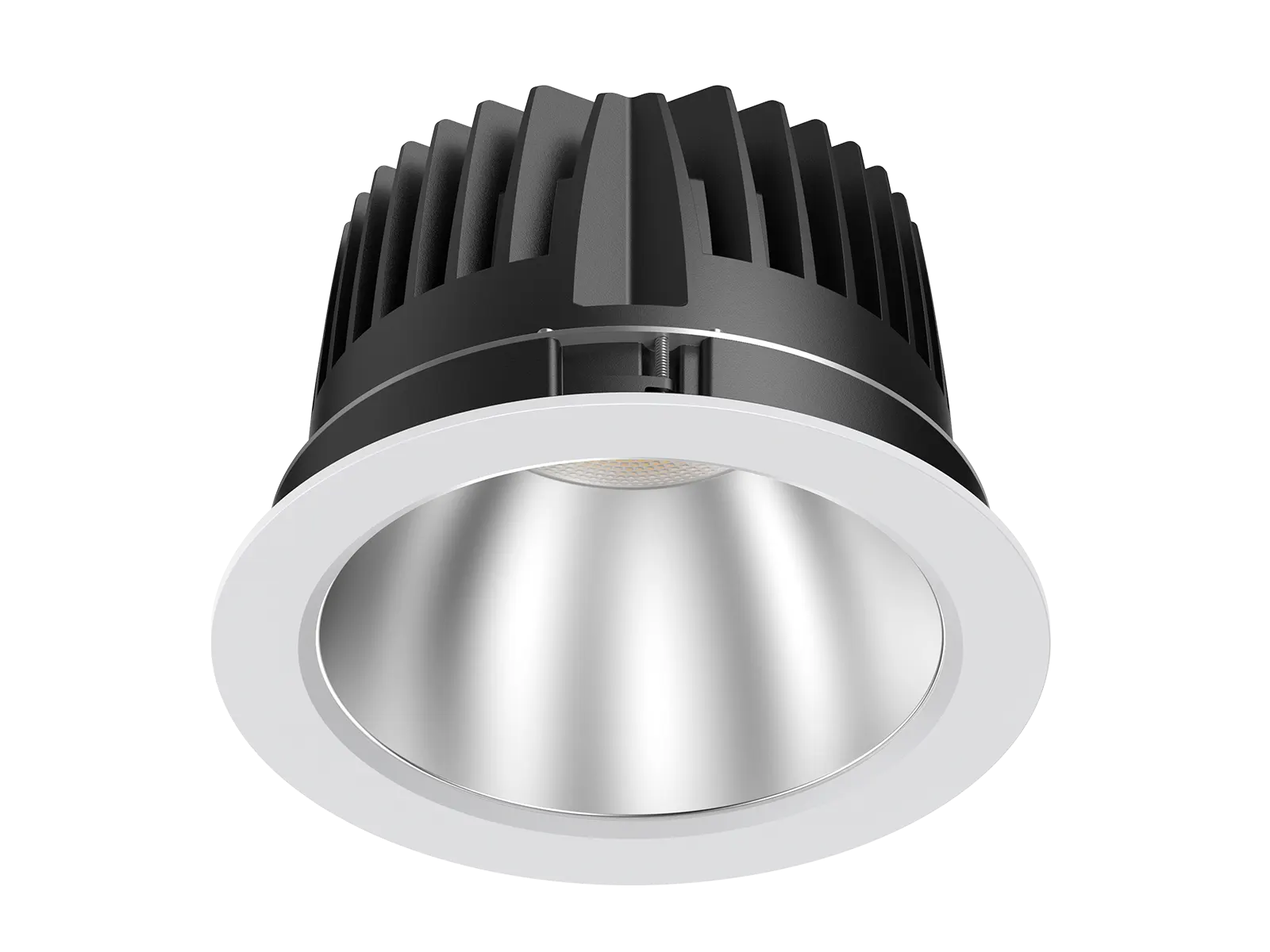
Compared to halogen downlights, this modular downlight features high-lumen SMD LEDs for excellent efficiency and long lifespan, supported by an ADC12 aluminum housing for effective heat management. Its modular design allows easy replacement of reflectors and trims, offering flexibility for various installation environments. The downlight supports adjustable CCT (3000K, 4000K, 5700K) via a DIP switch and is compatible with ceilings of 5-20mm thickness. The fixture includes a reliable bracket fixation system, an external flicker-free driver, and 0-10V dimming. Available in bright silver, matte white, and matte black reflectors, it is ideal for general lighting in workshops, warehouses, shops, and supermarkets.
If you're ready to upgrade your lighting system, feel free to reach out to us for expert advice and customized solutions that meet your specific requirements. Let us help you make the switch to more efficient and sustainable lighting today!