


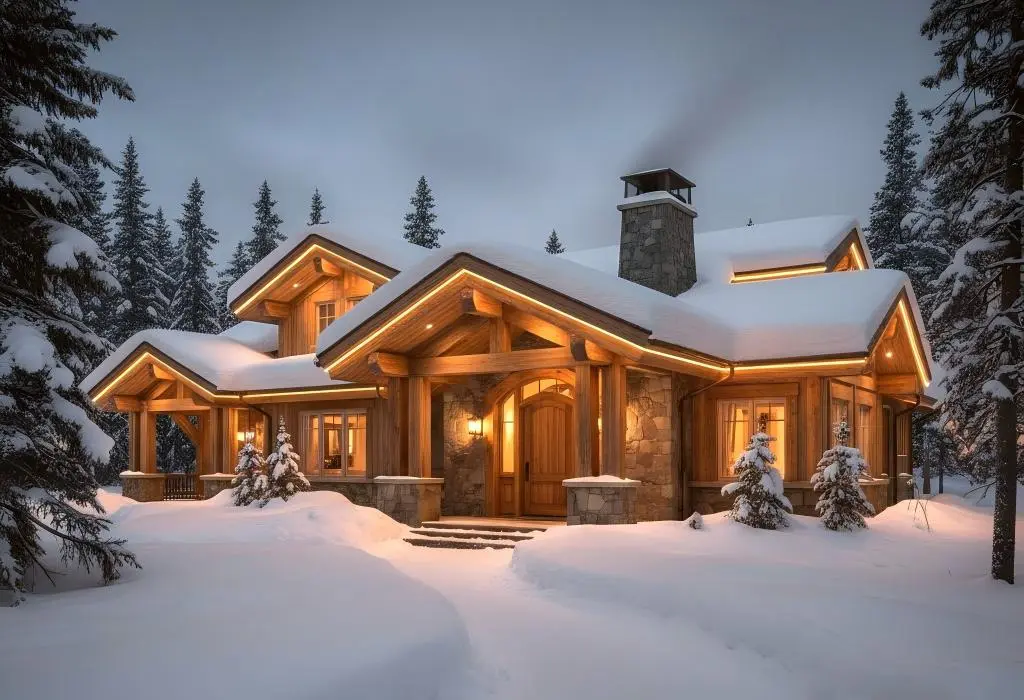
Have you ever driven past a beautifully lit home at night and felt that warm sense of charm, wondering what makes it so special? More often than not, it's not just the bright, eye-catching fixtures—it's the thoughtful, subtle details that create that welcoming glow. Many homeowners don't realize the hidden potential right above them: the soffit. That quiet space, the underside of your roof’s overhang, can become a stunning feature with just the right lighting. If you're ready to go beyond ordinary outdoor lighting and give your home’s exterior a more inviting and elegant touch, now is the perfect time to discover the beauty of outdoor soffit lighting.
What is Soffit Lighting?
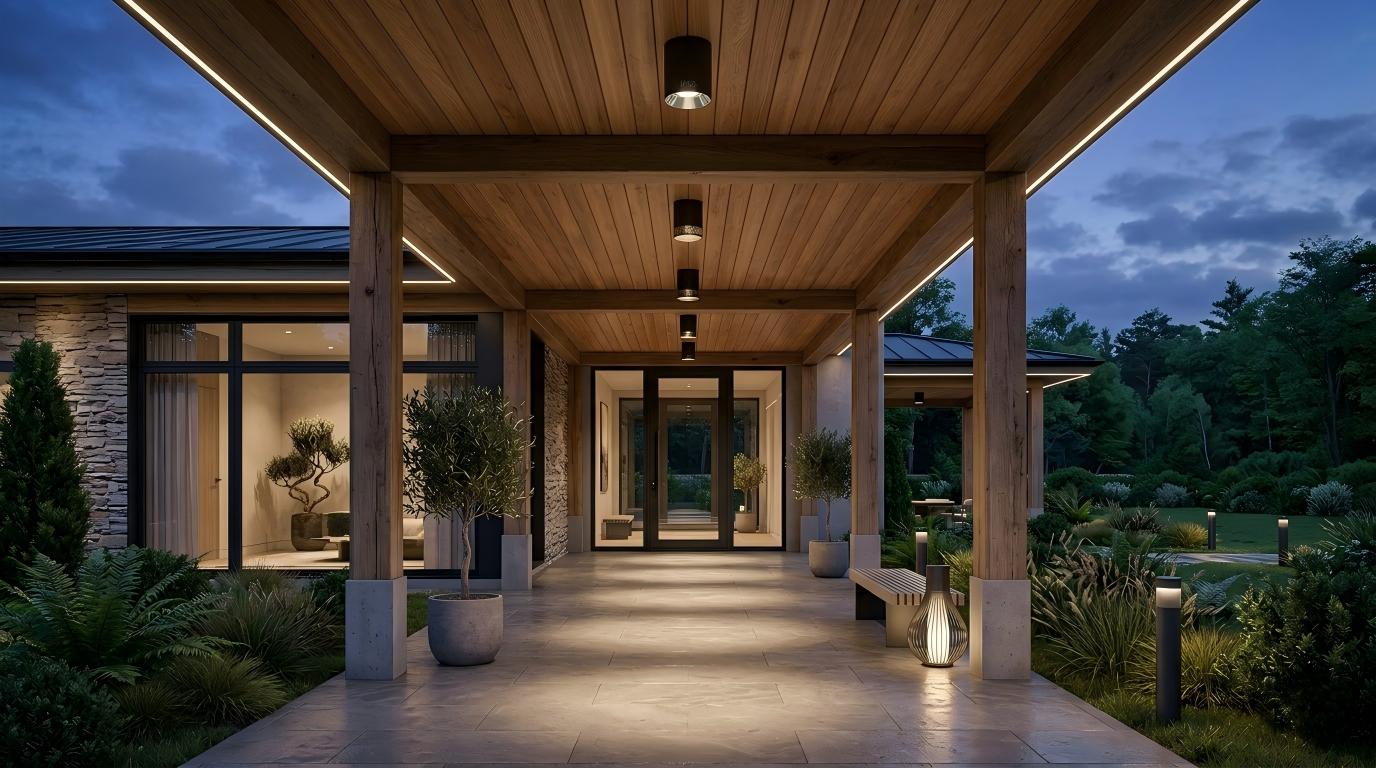
Soffit lighting is a type of lighting installed at the soffit of a building (such as the underside of eaves, arches, or beams). The lighting fixtures typically feature an embedded or surface-mounted design, with the light projected downward or outward. Its main functions combine practicality and decoration. It can not only provide basic lighting for both the interior and exterior spaces of the building, but also highlight the building's outline and the beauty of its details.
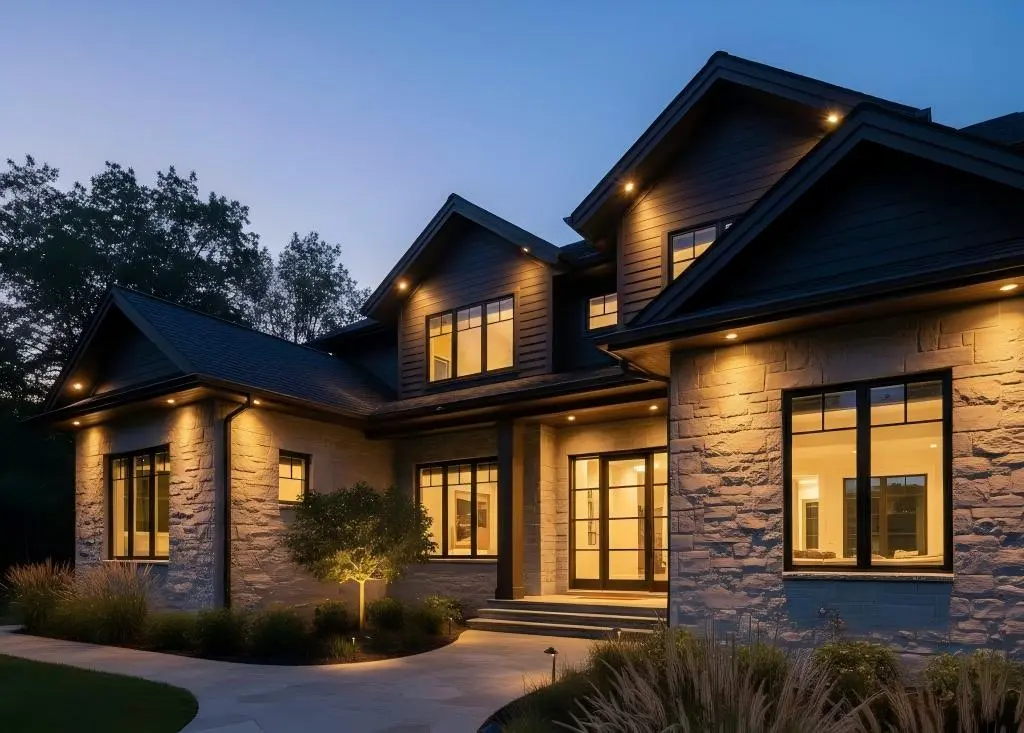
Due to its good adaptability, soffit lighting is widely used in the indoor and outdoor environments of residential and commercial buildings. In terms of safety, it can effectively illuminate dark areas, reduce the risk of accidents, and create a visual deterrent to potential intruders. Therefore, more and more property owners are choosing soffit lighting to enhance the aesthetics of their buildings and strengthen home security. If you are looking for an external lighting solution that combines functionality and aesthetic value for your home or commercial building, soffit lighting is undoubtedly an ideal choice.
Why Choose Outdoor Soffit Lighting?
Outdoor soffit lighting has become a highly popular solution for enhancing a home’s exterior, effectively combining functionality, security, and visual appeal. Below are several key reasons why homeowners choose this lighting option:
- Visual Appeal
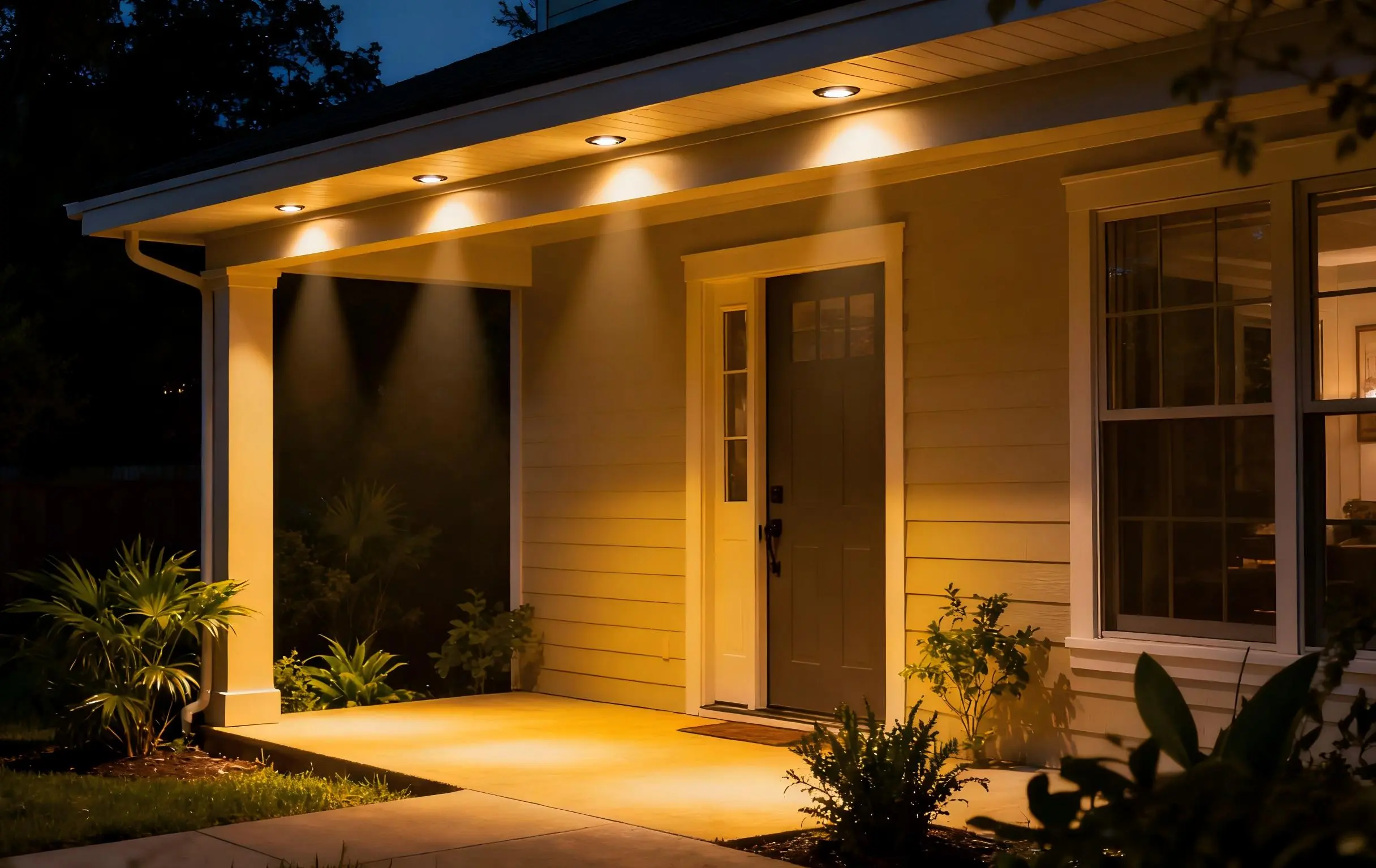
Soffit lights provide a subtle, downward wash of light that highlights the texture of your home's facade (like stone, brick, or siding). These lights create a warm and inviting ambiance, making your home look more welcoming to guests. They can also accentuate architectural features, such as columns or decorative trim, adding a touch of elegance to your property. By strategically placing soffit lights, you can transform the overall appearance of your home, giving it a more polished and sophisticated look.
- Security and Safety
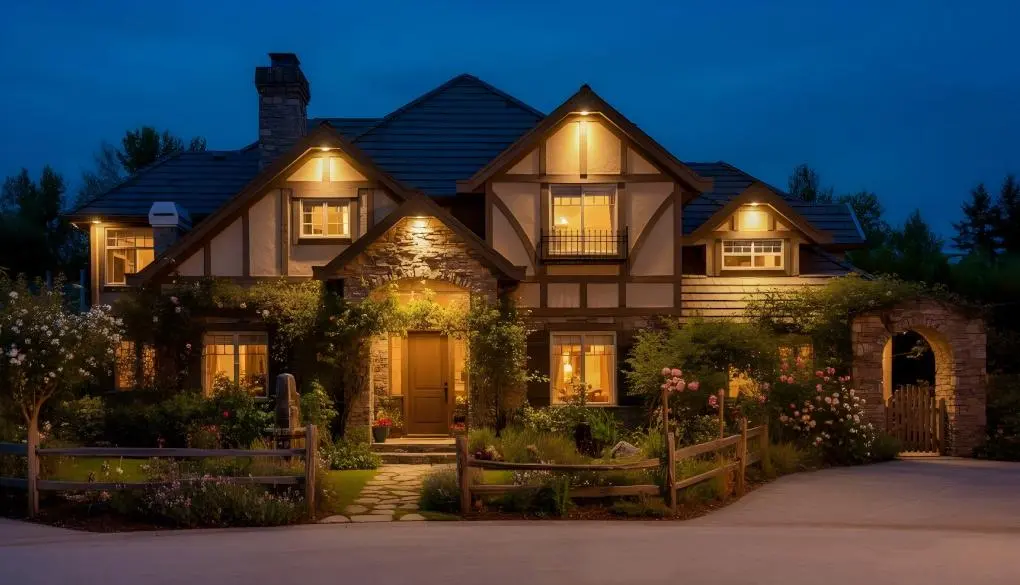
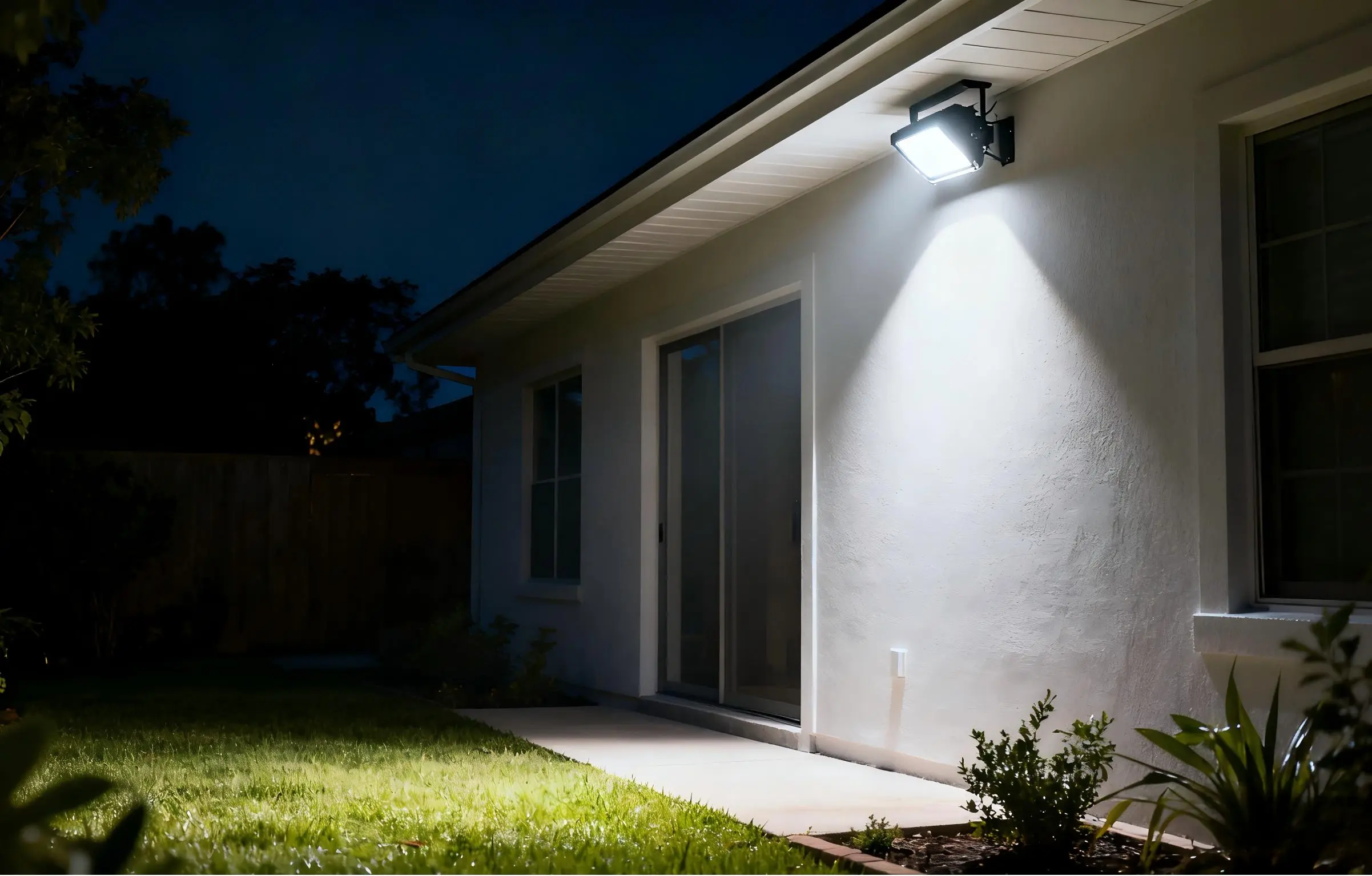
A well-lit exterior is a strong deterrent to trespassers. Soffit lights effectively eliminate dark shadows around your home's perimeter, especially near windows and doors. Furthermore, they improve safety by illuminating walkways, porches, and steps, helping residents and guests navigate safely at night and reducing the risk of trips and falls.
- Versatility
Soffit lights are highly versatile for any home design as they can be utilized in diverse outdoor areas, including patios, decks, porches, or incorporated as a component of a larger landscape lighting system. Whether you prefer a modern, minimalist design or a more traditional look, soffit lights can be customized to suit your taste and enhance the overall versatility of your home's lighting scheme.
What are Common Outdoor Soffit Fixture Types?
|
Fixture Type |
Key Functionality |
|
Recessed Lighting |
Sleek, flush-mounted lights for subtle, uniform illumination. |
|
Surface-Mounted Lights |
Lights mounted directly onto the soffit, offering exposed or decorative lighting. |
|
Spot Lights |
Focused light for highlighting specific areas or features. |
|
Flood Lights |
Powerful lights that cover a wide area, often used for security. |
|
Step Lights |
Small lights installed along stairways or pathways for safety and visibility. |
|
Wall Sconces |
Decorative lights mounted on exterior walls, often used for ambiance. |
|
Tape Lights |
Flexible LED strips for even, low-profile lighting along soffits. |
|
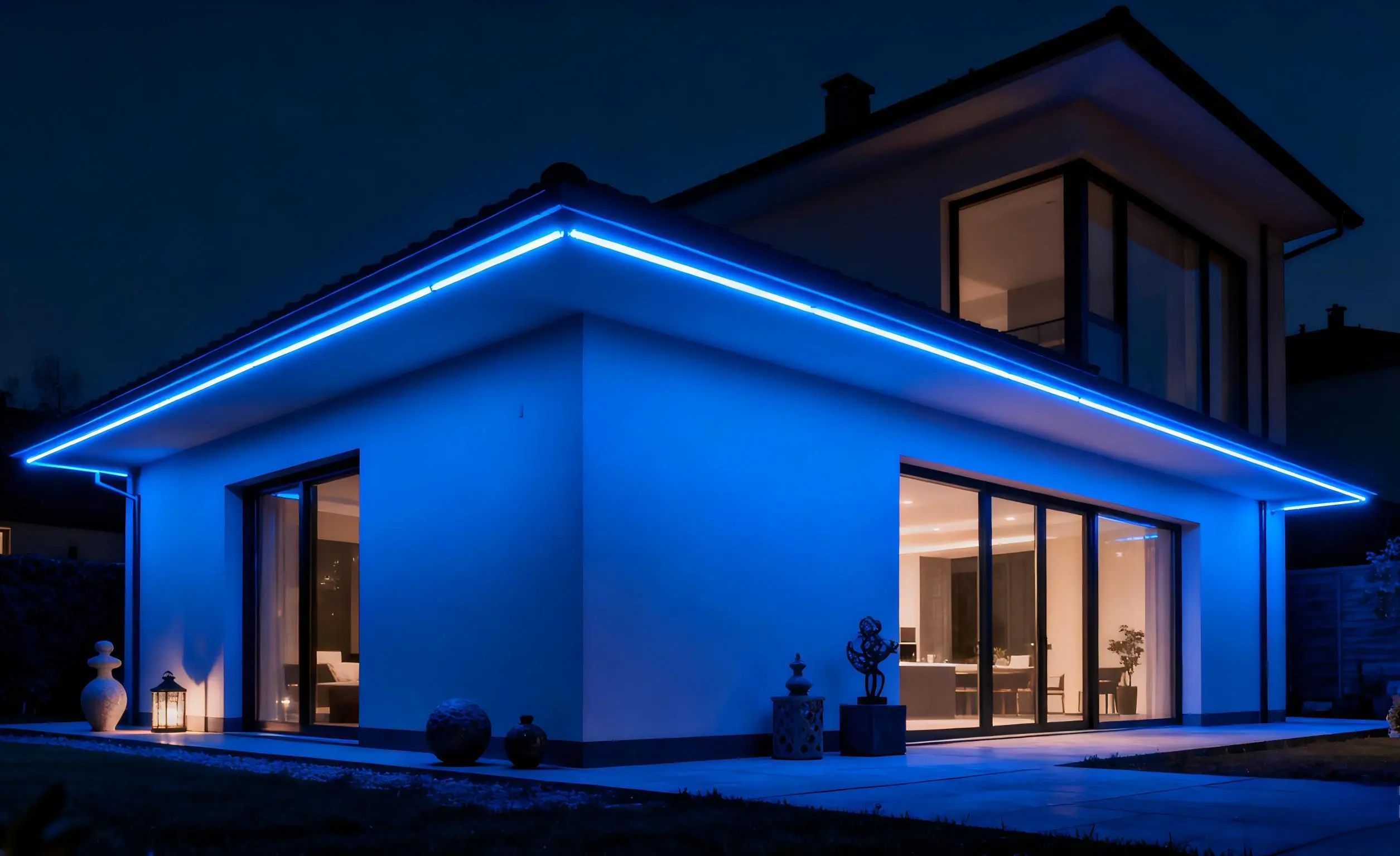
Neon Lights |
Flexible, colorful lighting ideal for outlining soffits or creating bold effects. |
How to Choose Perfect Outdoor Soffit Lighting?
When choosing suitable outdoor soffit lighting, multiple factors need to be comprehensively considered to ensure that the lighting effect is both practical and aesthetically pleasing.
- Climate and Durability
There are significant differences in the performance requirements for lighting equipment under different climate conditions. Therefore, when selecting lighting equipment, key features such as waterproofing, dustproofing, and corrosion resistance should be given top priority. In humid or rainy areas, fixtures with a protection rating of IP65 or higher should be preferred to effectively prevent the intrusion of water vapor and dust and ensure the stable operation of the equipment. In cold or dry climate regions, it is advisable to use lights made of low-temperature resistant materials, such as aluminum alloy or special cold-resistant plastics, to ensure good mechanical strength and service life even under extreme temperatures.
It is recommended to widely adopt LED lighting solutions, as they can not only start and operate stably in low-temperature environments but also have the advantages of high energy efficiency and long service life. In addition, in cold areas with large temperature differences, lights with glass covers should be avoided to prevent cracking due to thermal expansion and contraction, which may pose safety hazards.
2. Energy Efficiency and Cost
LED lighting is an ideal choice to meet energy efficiency requirements, especially for scenarios with long usage periods. LED lights have a lifespan of over 50,000 hours and consume low power, resulting in significant energy savings. In terms of energy efficiency, it is recommended to choose LED lights with a color temperature between 3000K and 4000K. Such color temperatures provide warm, comfortable, and visually friendly light while maintaining high energy utilization efficiency. Although the initial purchase cost of LED lighting is relatively high, their low energy consumption and extremely long lifespan can significantly reduce electricity bills over the long term and decrease maintenance and replacement frequencies, offering excellent cost performance.
3. Color Temperature
Color temperature plays a crucial role in shaping lighting effects and ambient atmosphere, significantly influencing visual perception. In outdoor soffit lighting applications, selecting an appropriate color temperature enhances the architectural aesthetics of building exteriors and creates an environment aligned with the intended usage.
Low color temperatures (2700K–3000K) emit a warm white light that is soft and inviting, making them ideal for residential areas and courtyards where comfort and intimacy are desired. Medium color temperatures (3500K–4000K) closely resemble natural daylight, offering a clean and vibrant illumination well-suited for commercial facades and public spaces. High color temperatures (above 5000K) produce a cool, bluish-white light with high luminance, typically used in areas requiring enhanced visibility and safety, such as parking lots, walkways, or the outline lighting of large structures.
- Ensure Lighting Objectives
Before installing outdoor soffit lights, you should first clarify the lighting objectives and determine the atmosphere you want to create. For example, if the main purpose is to enhance the safety and practicality of your residence, you can choose lights with high brightness and a wide coverage area to illuminate areas such as the front walkway, steps, or garage entrance, effectively reducing potential safety hazards when walking at night. If you focus more on aesthetics and creating an ambiance, you can select decorative lights with warm colors and soft light. These lights can enhance the three-dimensional effect of the building's exterior through the play of light and shadow, creating a warm and comfortable home atmosphere.
5. Comply with Local Building Codes
Different regions have their own regulatory requirements for outdoor lighting. To ensure compliance, appropriate lighting equipment should be selected according to local building codes. In some areas, outdoor lighting needs to meet light pollution control standards. Usually, it is required that the lighting fixtures have a dimmable function or adopt a directional beam design to reduce light spillage. At the same time, it is necessary to check whether the selected lighting fixtures have UL or CE certifications to ensure that they meet international safety standards and guarantee electrical and operational safety during use.
Professional Installation Guide for Outdoor Soffit Lighting
Installing soffit lights requires a certain basic knowledge of electrical wiring. For those with relevant experience, self-installation may be relatively simple. However, if you lack experience in electrical operations, it is strongly recommended that you hire a licensed professional electrician for the installation to ensure work safety and compliance with local electrical code requirements. The following outlines the general installation steps.
Step 1: Planning and Preparation
Identify the areas that require lighting, select the appropriate type of fixtures, and ensure that the power supply is sufficient. Before starting the installation, be sure to turn off the power to ensure safety during the operation.
Step 2: Install the Lighting Fixtures
Mark the installation positions of the lighting fixtures on the soffit board and precisely cut the holes along the contour lines. Depending on the type of fixtures, securely fix the recessed or surface-mounted lighting fixtures onto the soffit board to ensure they are level and stable.
Step 3: Connect the Wires
Use standard outdoor weather-resistant wires to connect the light to the power source. During the wiring process, strictly follow electrical safety regulations to ensure that the joints are well insulated and to avoid the risk of leakage.
Step 4: Testing and Adjustment
After completing the circuit connection, restore the power supply and test each light fixture one by one to see if it works properly. Adjust the angle or brightness of the light fixtures according to the actual lighting effect to achieve the best lighting result.
Step 5: Sealing and Waterproofing
Apply waterproof silicone evenly around the fixture to achieve effective sealing, preventing rainwater from seeping in and ensuring long-term safety and durability of use.
Soffit Lighting FAQs
- What IP rating is required for outdoor soffit lights?
Outdoor soffit lights should have a minimum IP65 rating, which ensures they are dustproof and protected against water jets. For more exposed areas, IP67 or higher is recommended for complete water immersion protection.
- Can soffit lighting be installed DIY?
Yes, soffit lighting can be installed DIY, but it requires basic electrical knowledge. Ensure you follow safety precautions and adhere to local building codes. If unsure, consider hiring a licensed electrician.
- What’s the difference between recessed and surface-mounted soffit lights?
Recessed lights are installed within the soffit, presenting a streamlined and flush appearance with a minimum of visible fixtures. Conversely, surface-mounted lights are positioned on the top of the soffit and are more conspicuous, providing greater ease of installation and maintenance.
- How far apart should soffit lights be placed?
The spacing of soffit lights depends on the fixture type, desired illumination effect, and specific application. For example, for ambient lighting, it is recommended to space fixtures 10–12 feet apart to ensure even and comfortable illumination over large areas, creating a visually harmonious atmosphere. For architectural detailing, placing lights 6–8 feet apart helps accentuate surface textures, add depth, and effectively highlight key design elements.
- Are LED soffit lights energy-efficient?
Yes, LED soffit lights are highly energy-efficient, consuming less power than traditional bulbs and lasting longer. They provide bright illumination with low energy usage, making them an ideal choice for outdoor lighting.
- How to maintain outdoor soffit lighting?
Regular maintenance of outdoor soffit lighting is crucial for ensuring optimal performance and extending its lifespan. First, clean the fixtures periodically to remove accumulated dirt, dust, and debris, which can diminish light output over time. Use a soft cloth or brush along with a mild detergent to avoid damaging the surface. Second, conduct regular inspections of wiring and electrical connections, looking for signs of wear, corrosion, or damage. Promptly replace any faulty components to eliminate potential safety hazards. Furthermore, routinely check the bulbs and replace them before they fail completely to ensure consistent and reliable illumination.
Concluding Remarks
Outdoor soffit lighting is a simple yet effective way to enhance your home’s exterior, improve curb appeal, and boost safety. Whether you're aiming for ambient lighting or focused illumination, soffit lights offer versatile options to suit various styles and functions.
At Upshine, we specialize in delivering high-quality, energy-efficient lighting solutions customized to meet your unique needs. With our expertise, we can help you choose the perfect soffit lighting that suits both your style and practical requirements. Ready to brighten up your home? What lighting style will you choose for your next project? Tell us in the comments or connect with us to get started!